Royal Canin’s Genetic Health Analysis Kit for Cats
As much as we know and love our cats, their origin stories are often a mystery. For example, with my three rescue cats, I knew generally where they came from, but not exactly what breeds they are. Because of that, I knew next to nothing about their genetic or health predispositions. However, that was before I was introduced to Royal Canin’s Genetic Health Analysis Kit for Cats!
Working with Wisdom Panel technology, Royal Canin’s Genetic Health Analysis Kits give pet owners the tools to unlock their cat’s DNA to learn about ancestry information, breed reporting, and specific genetic markers that can inform their care and nutrition. As I know from personal experience with my three cats, pet owners want what is best for their cats, and this kit can help us understand just what our cats need more clearly. I want my cats to stay happy and healthy, so any information that can assist in that goal is something I want to know! Here, I’m sharing some details on how this Genetic Health Analysis Kit works along with my experience of using it with my three cats:
*This post is sponsored by Royal Canin.
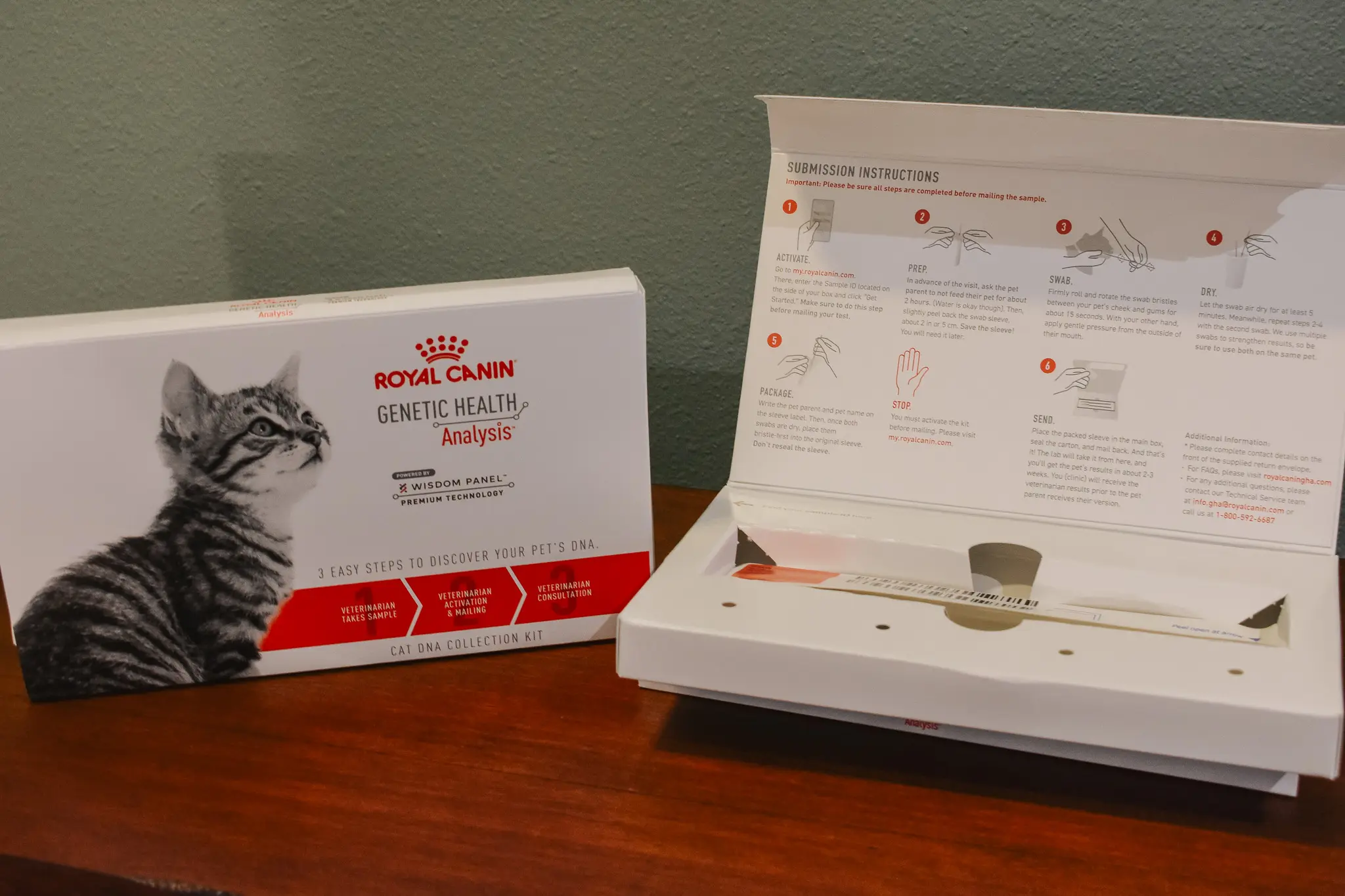
Table of Contents:
- How the Royal Canin Genetic Health Analysis Test Works
- What the Genetic Health Analysis Can Tell You About Your Cat
- How This Genetic Analysis Can Inform Your Cat’s Care
- My Personal Experience with Royal Canin’s Genetic Health Analysis Kit for Cats
- Conclusion: Why a Genetic Health Analysis of Your Cat is So Valuable
How the Royal Canin Genetic Health Analysis Test Works
A simple process by design, these Genetic Health Analysis Kits have everything you need for the test. A veterinarian collects your cat’s DNA via a simple cheek swab. Going to the vet can be stressful, but I have some tips on making the trip go more smoothly here.
Once the swab is taken by the vet, they will activate the kit online and send the sample in to a lab for analysis.
Once the sample arrives at the lab, it takes about four weeks to get your cat’s results. The comprehensive report of your cat’s DNA is then sent to you and your vet for review. From there, your vet can help decide on a customized health and wellness plan based on your cat’s unique results.

What the Genetic Health Analysis Can Tell You About Your Cat
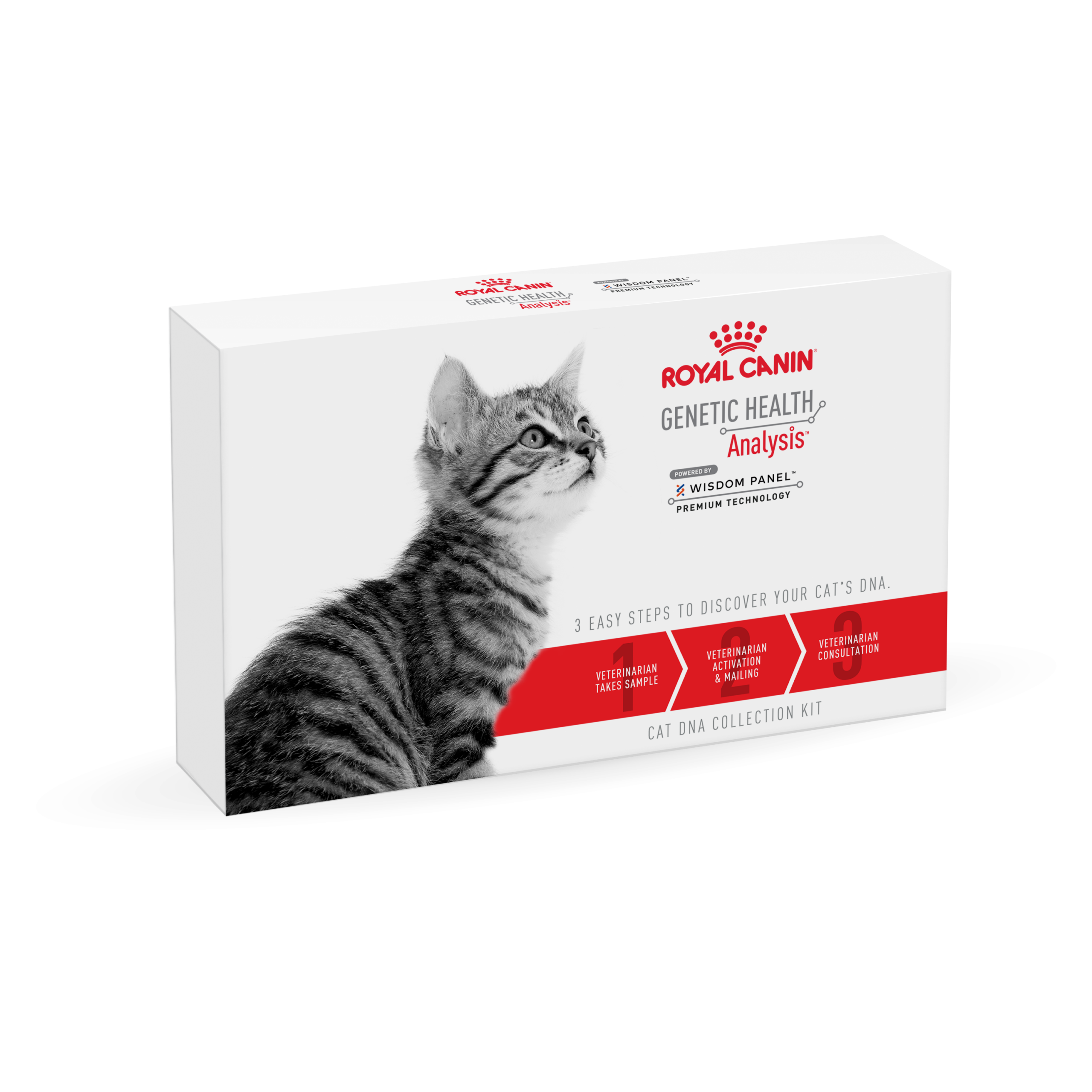
This simple kit offers a variety of insights into your cat’s DNA, including their ancestry and breed breakdown, genetic markers that can indicate predispositions to certain health conditions, and even your cat’s genetic blood type. All of this information can help you and your vet understand your cat’s personalized nutritional and health care needs.
Breed Identification
Royal Canin’s Genetic Health Analysis Kit can determine a cat’s ancestry with 1% breed reporting precision. This is done by comparing your cat’s test sample to the unique genetic signatures of over 70 different cat breeds.
This information is more than just fun trivia, though; it can help you understand behavioral traits and specific nutritional needs pertinent to your cat. As I mentioned above, all three of my cats are rescues, so I was perhaps most interested in learning about their breed breakdowns!
Health Predispositions & Blood Types
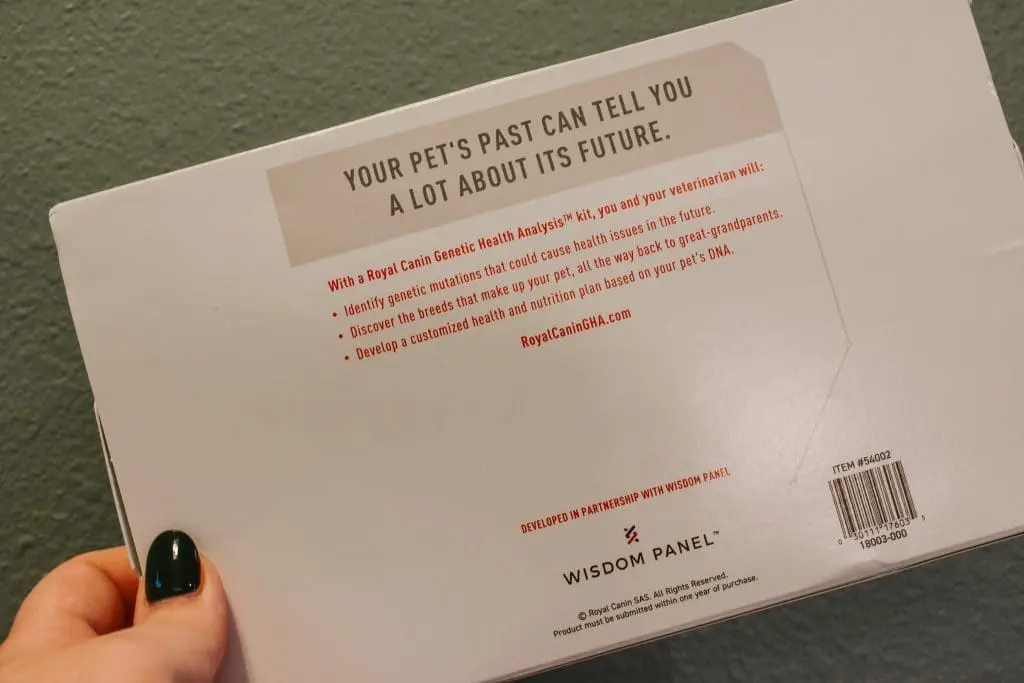
With this simple cheek swab test, Royal Canin is able to screen your cat for genetic markers that indicate possible predispositions to different health conditions and traits. Knowing this information early can help you plan your cat’s care accordingly, and it can even inform their nutritional needs. The test currently reports on more than 45 health conditions in cats, so a wide range of issues are covered.
Furthermore, understanding your cat’s genetic blood type is good information to have on hand. While it goes into the overall picture of your cat’s genetic makeup, it can also be good information to have in the event of a blood transfusion or other such procedures.
How This Genetic Analysis Can Inform Your Cat’s Care
Information is power, especially when it comes to cats. Cats are notoriously good at hiding illness or pain, so understanding their DNA can help you and your vet create customized care plans that are tailored to your specific cat’s needs.
Furthermore, through an appropriate diet, you can help give your cat the nutrition they need to thrive. Knowing exactly what your cat needs nutritionally takes the guesswork out of it for you!
My Personal Experience with Royal Canin’s Genetic Health Analysis Kit for Cats
Getting the cheek swabs taken for my three cats was a straight-forward process. I made an appointment with my vet’s office and explained the purpose of the visit over the phone. The receptionist made a note of this and the office was all set to take the samples when we arrived with the three cats.
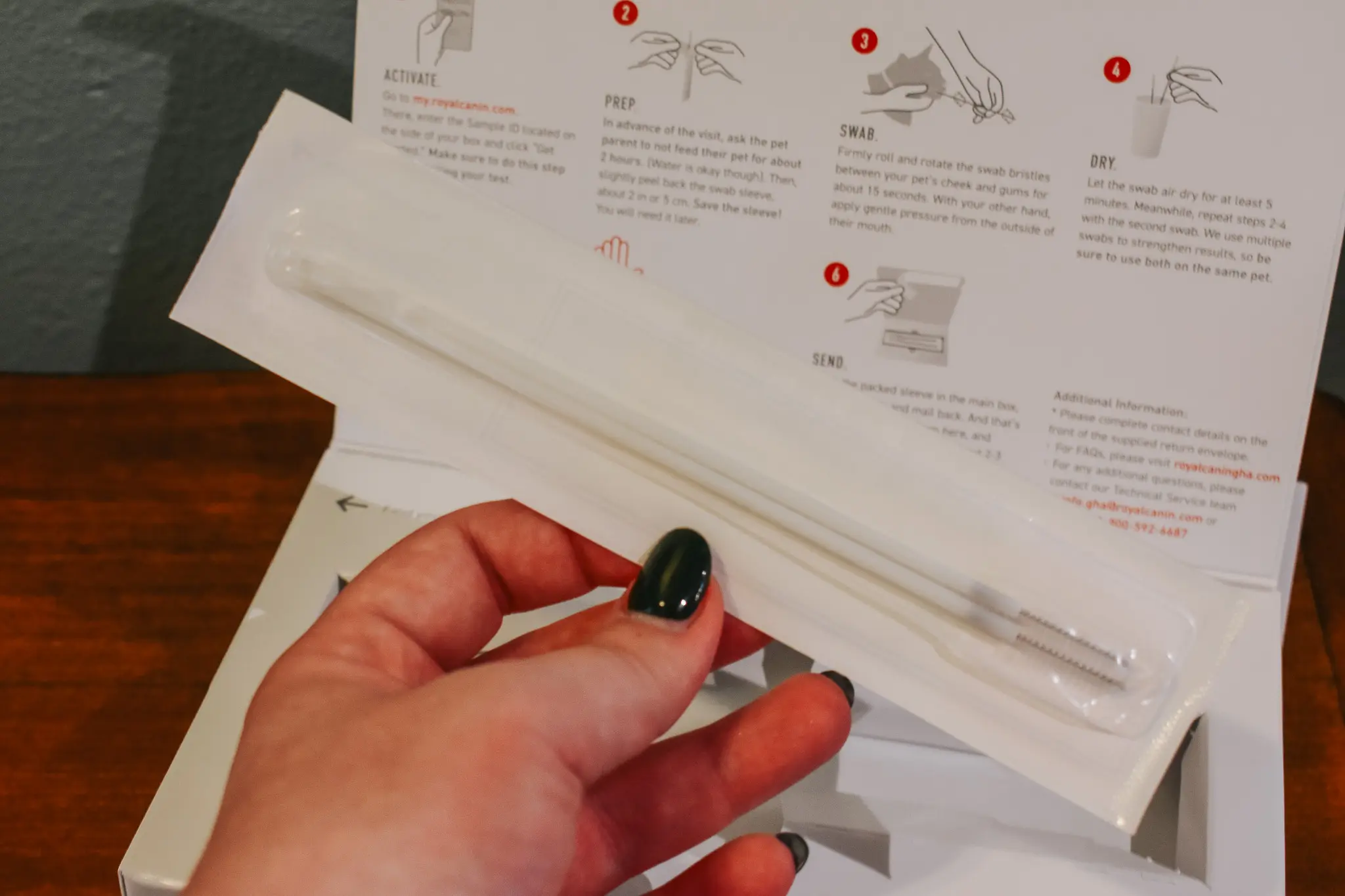
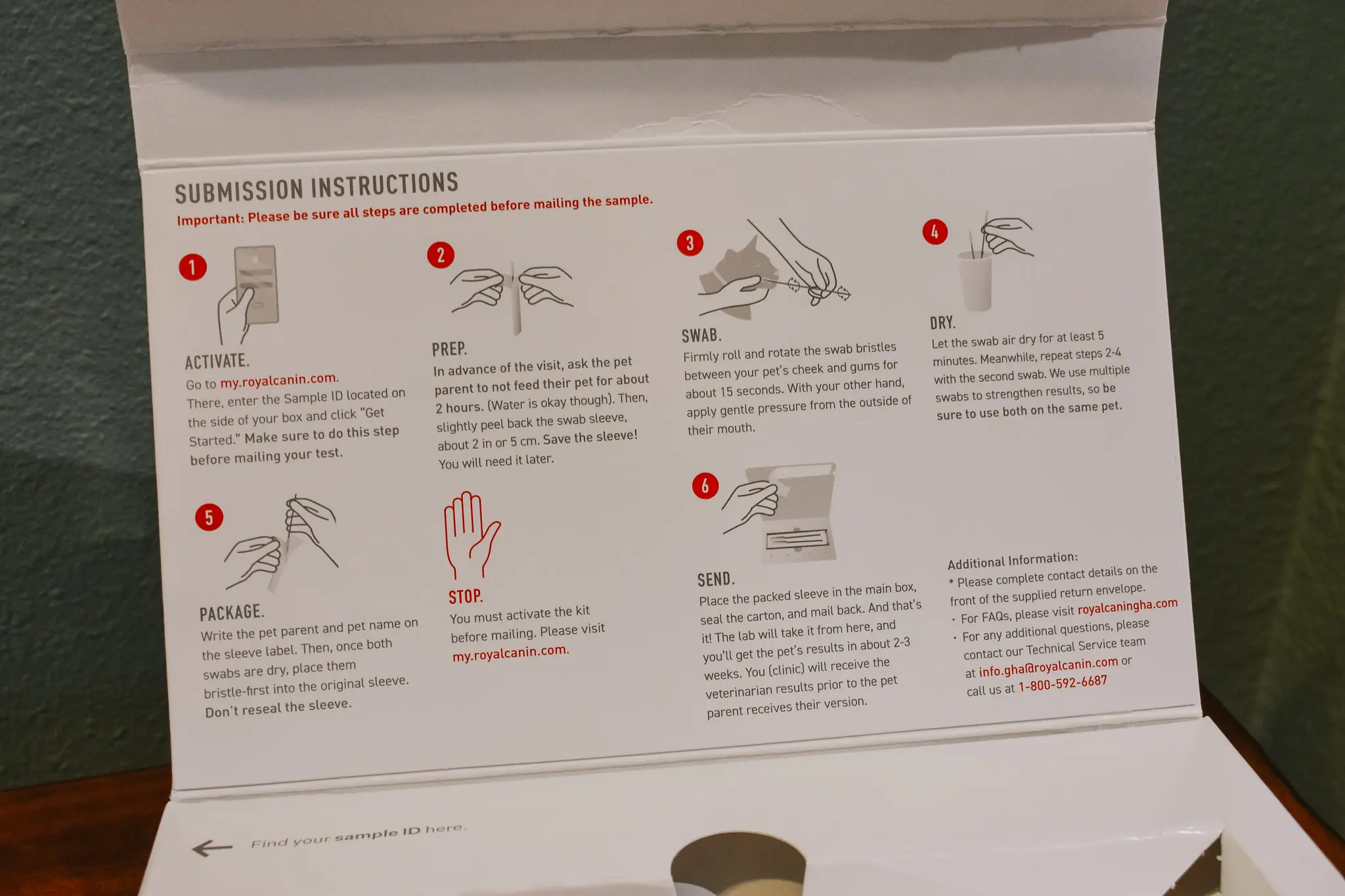
The process once we got to the vet’s office was quick and easy. The cheek swab samples were taken with a small brush and was a minimally invasive procedure; my cats weren’t bothered by them at all!
Then, the vet set aside the samples to dry according to the Genetic Health Analysis Kit’s directions. Once all three swab sets were taken, the vet packaged the samples (ensuring that each cat’s samples were packaged in the corresponding kit) and sealed the kits for shipment. The office sent the kits out with their mail and we were all set!
My Cats’ GHA Kit Results
I have to be honest, I was anxious about getting the results of these kits. The rational side of me obviously wanted to know if there were any health issues in the cats’ futures that we could prepare them for, but that can be a hard reality to consider. However, while I waited a few short weeks for the results, I reminded myself that the anxiety is well worth it if it helps us better care for the cats.
Luckily, all three of the cats’ results came back with zero health condition risks detected. The reports for each cat are incredibly detailed, listing the genetic conditions, the gene title, risk variant, number of copies, mode of inheritance, and result. The information packet even came with food suggestions for them based on their specific results! The amount of information in this section alone was fascinating.
Beyond the health conditions tested, I was eager to see the different breeds that went into making my three rescue cats and the traits the tests picked up on. All three cats had appropriate levels of genetic diversity, scored as a percentage based on their individual heterozygosity, and the score was calibrated with their rescue cat status in mind.
My Cats’ Breed Results & Interesting Traits
The breed results for all three cats came broken down into percentage, categorized by major regional breeds — IE: Western, Persian, Siamese and Oriental cats. Their information was then populated into a family tree, going back four generations!
Louis’ Breed Results
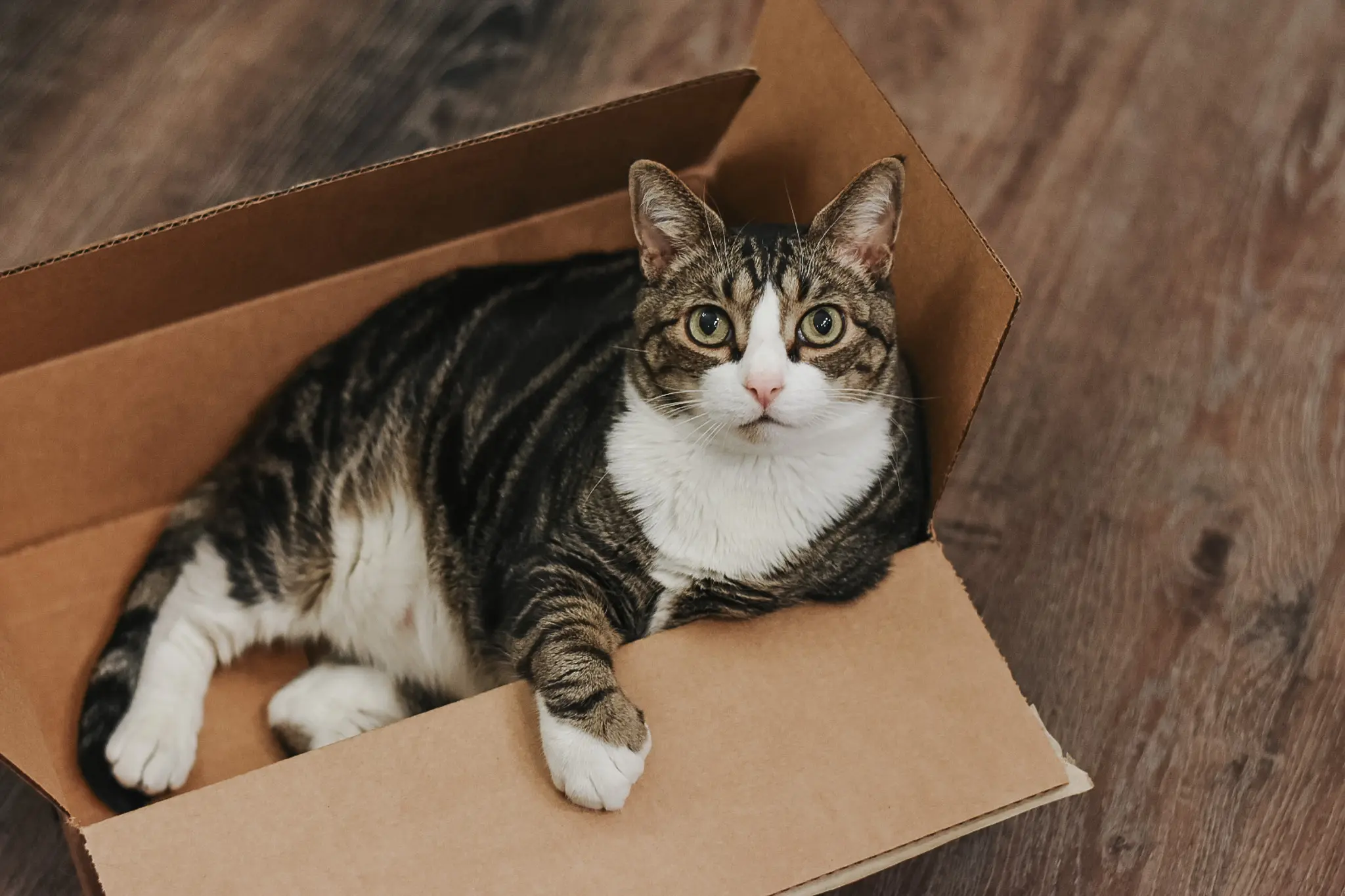
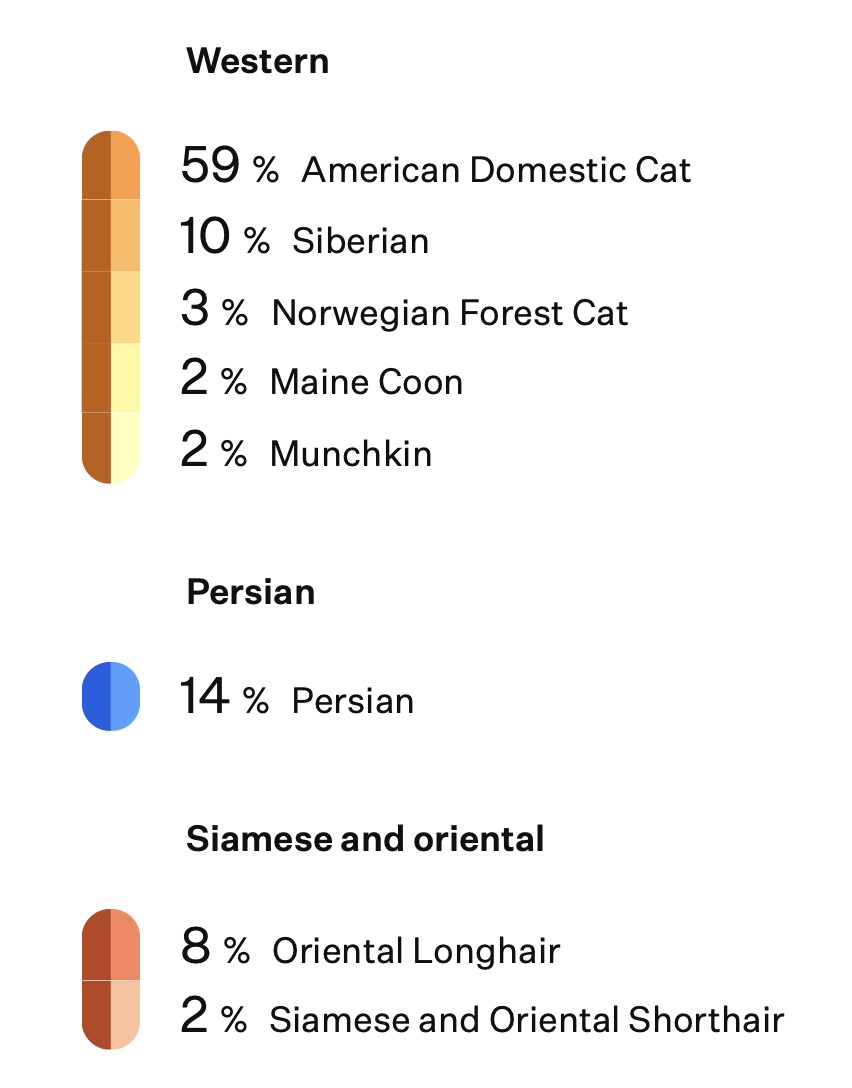
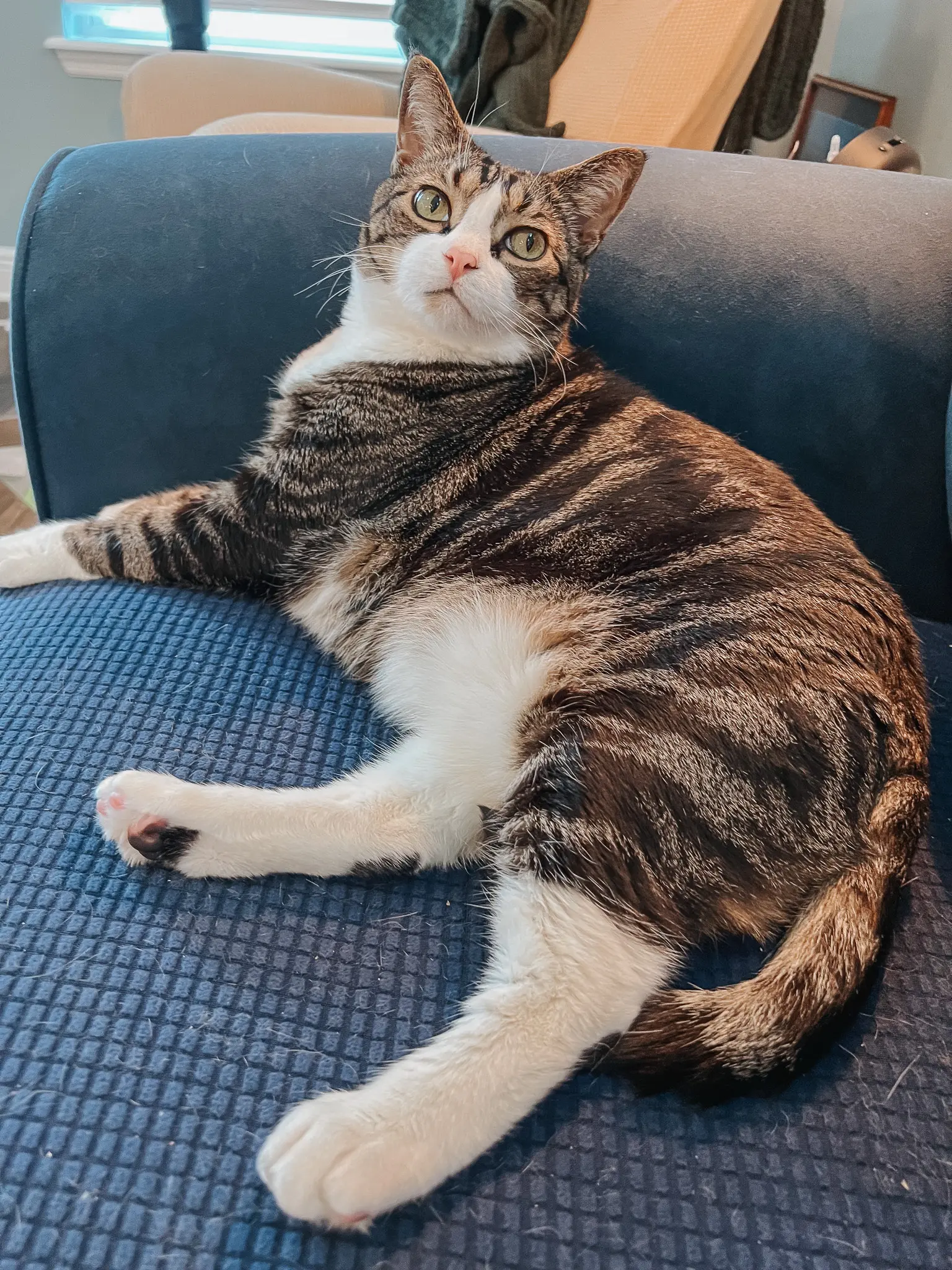
Louis’ results detected 8 distinct cat breeds in his DNA. Unsurprisingly, Louis’ results came back largely as American Domestic Cat, which was to be expected. The inclusion of Siberian and Persian cat genes at relatively high percentages was interesting to me. I’m not sure Louis has any truly noticeable Persian traits, but he does have the dark eyeliner that seems common with Siberian cats, Norwegian Forest Cats, and Maine Coons. Lastly, the Siamese and Oriental breeds may be responsible for his prominent ears, if I had to guess.
As far as Louis’ genetic traits go, here are the results I found most interesting:
- Solid Color Coat Variant – 1 Copy – This gene likely causes tabby patterns or banded hair patterns, which Louis has.
- Partial and Full White Coat Variant – 1 Copy – One copy of this variant can cause partial white appearance, likely resulting in his white stomach and paws.
- Polydactyly Variant 1 – 1 Copy – One copy of this gene can result in extra toes on either the front paws or all four paws; in Louis, it shows up on his front paws.
Olivia’s Breed Results
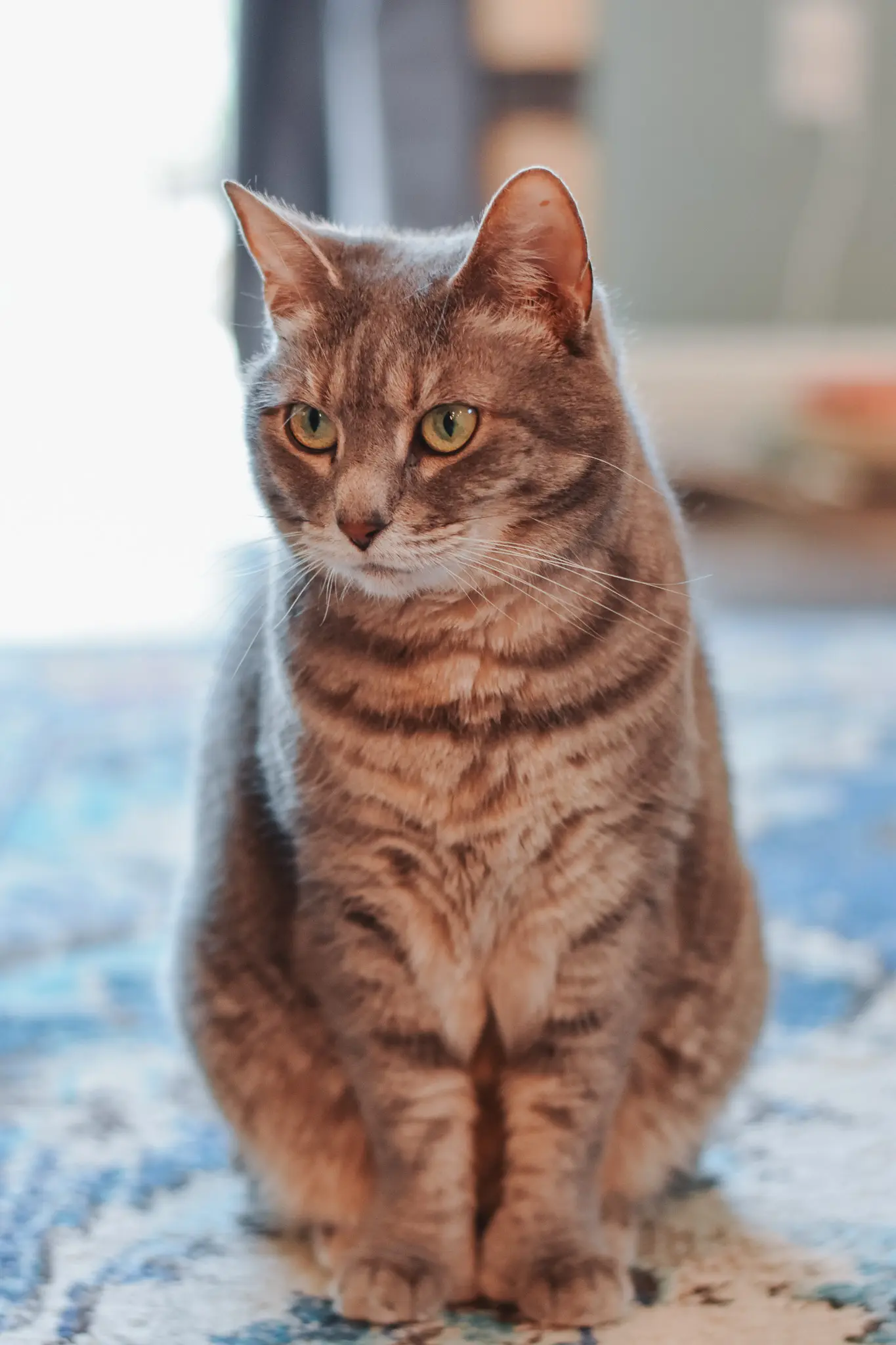
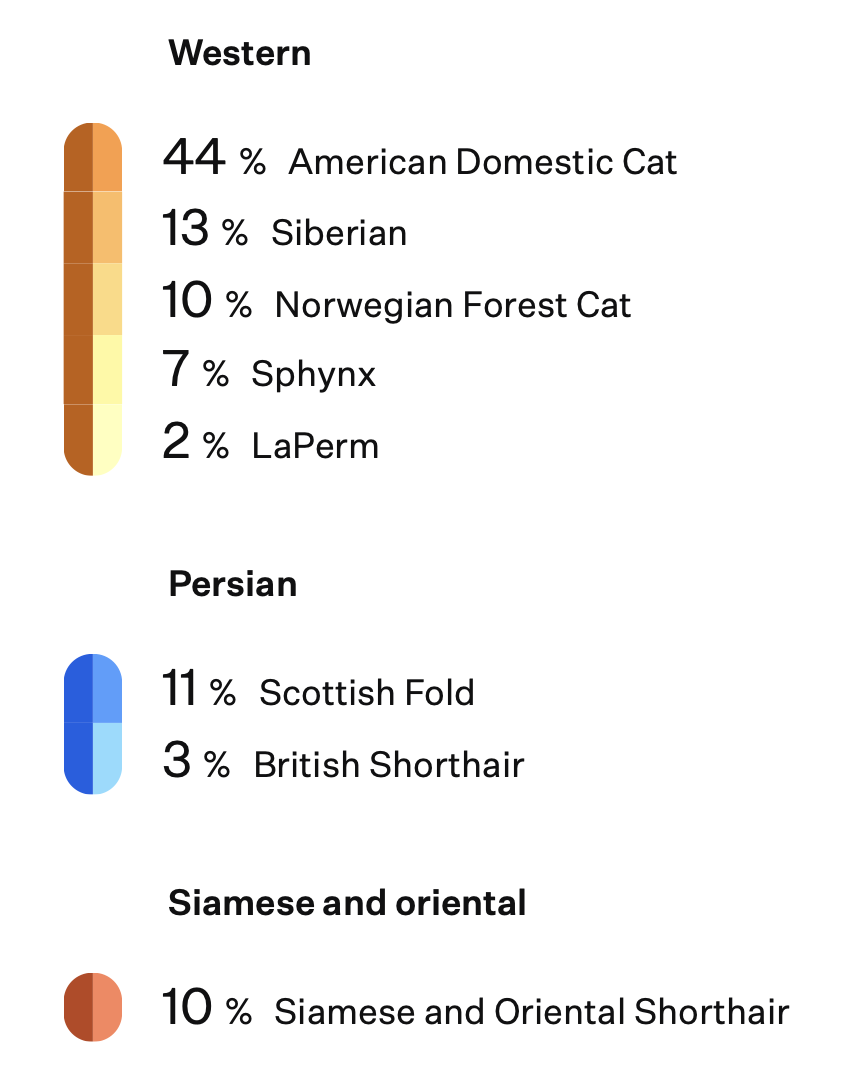
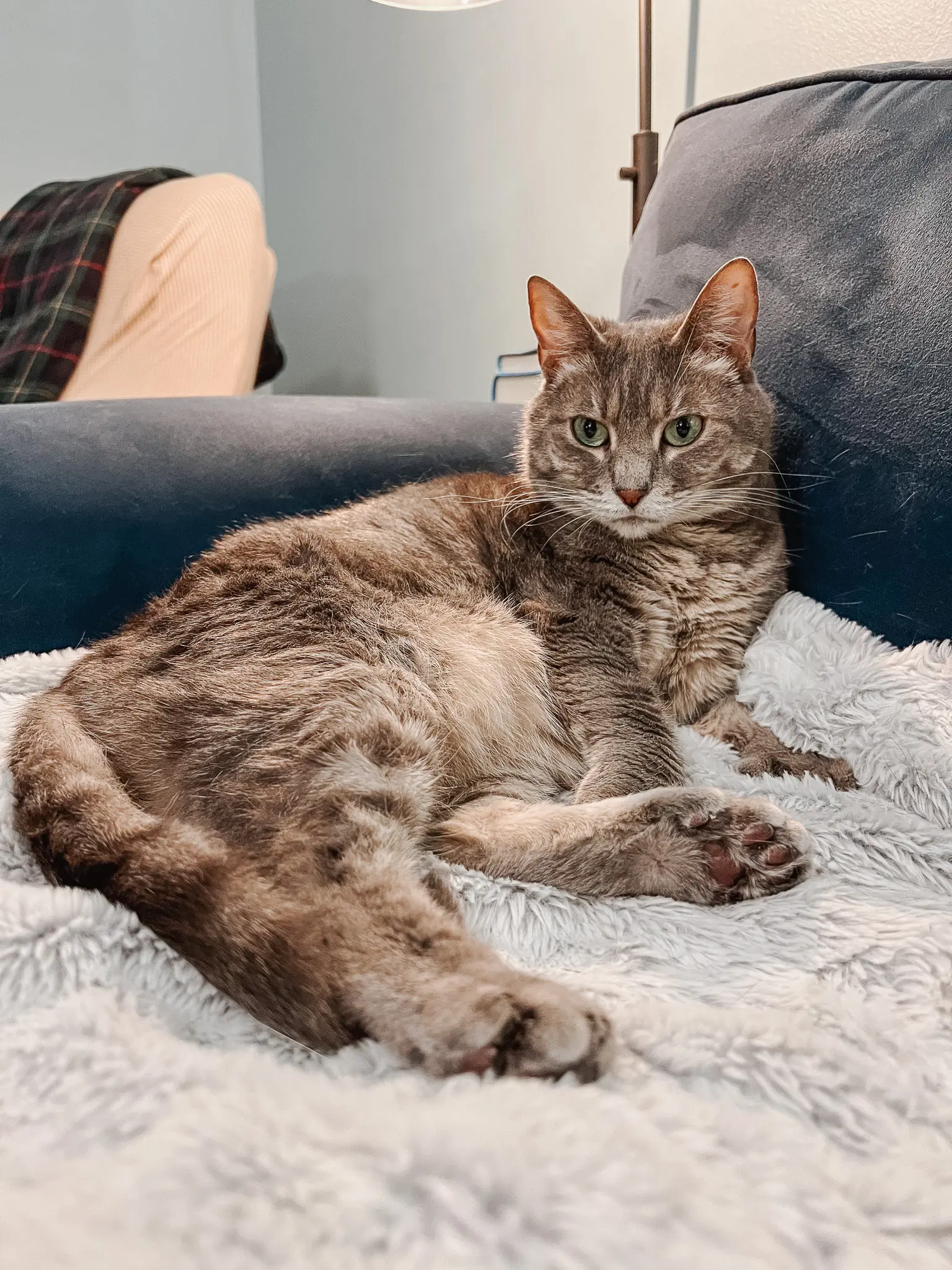
Olivia’s results detected 8 distinct cat breeds in her DNA. Again, I was not surprised by the high proportion of American Domestic Cat for Olivia. Even the Siberian or Norwegian Forest Cat genes made sense to me for the same reasons as they make sense for Louis, as I described above. However, what did surprise me were the Scottish Fold and British Shorthair genes the test detected. Once I looked these breeds up, I saw a lot of similarities between them and Olivia, largely in terms of color and markings.
As far as Olivia’s genetic traits go, here are the results I found most interesting:
- Solid Color Coat Variant – 1 Copy – This gene likely causes tabby patterns or banded hair patterns, which Olivia has.
- Dilution – 2 Copies – Two copies of this gene result in a lightening of the coat color, which can explain Olivia’s coloring.
- Colorpoints – 1 Copy – Cats with one copy of this type of gene may have soft colorpoints (IE: darker ears, tails, and paws); they’re subtle, but I think Olivia has these.
- Polydactyly Variant 1 – 1 Copy – One copy of this gene can result in extra toes on either the front paws or all four paws; in Olivia, it shows up on all four paws.
Emory’s Breed Results
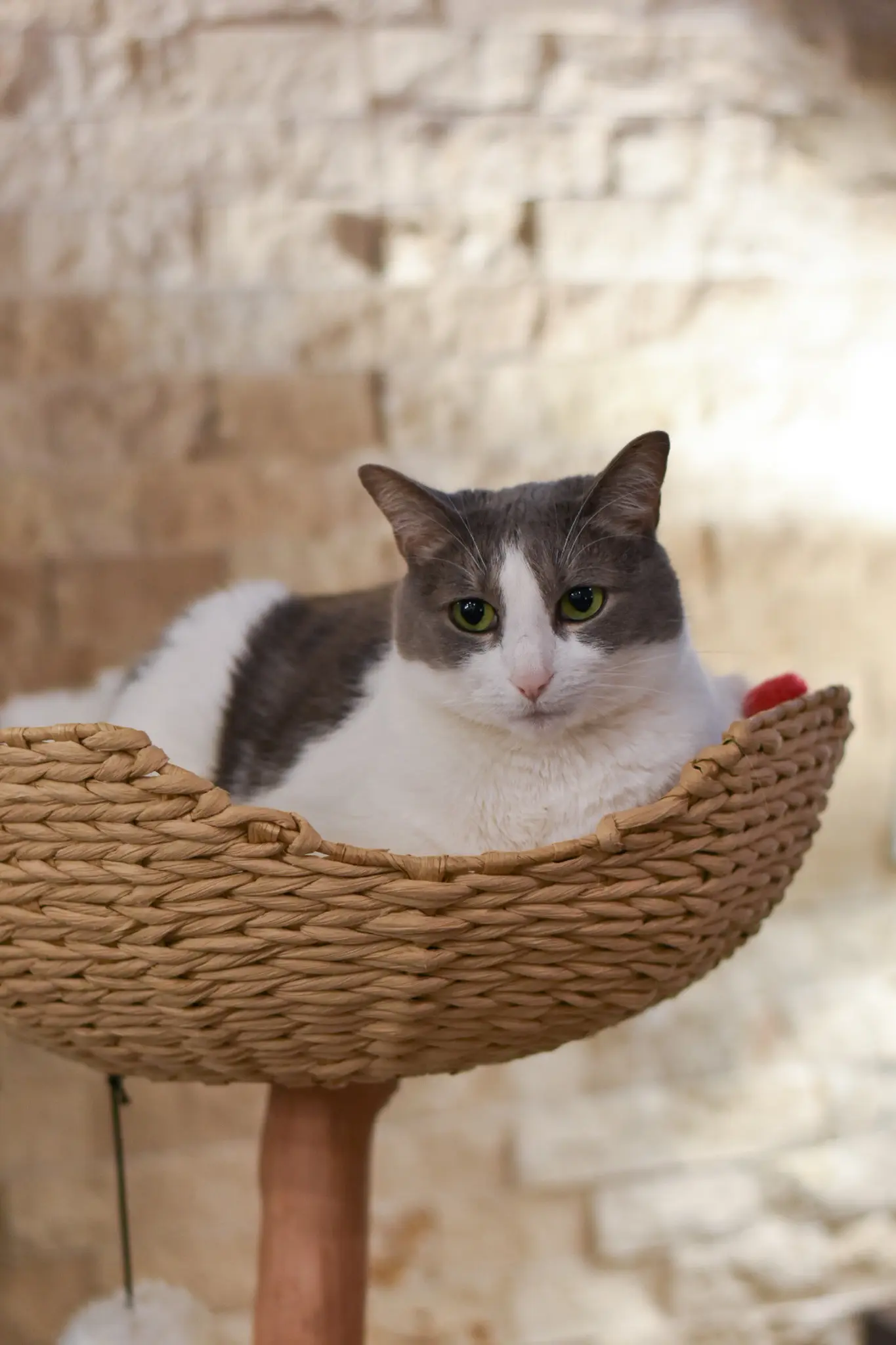
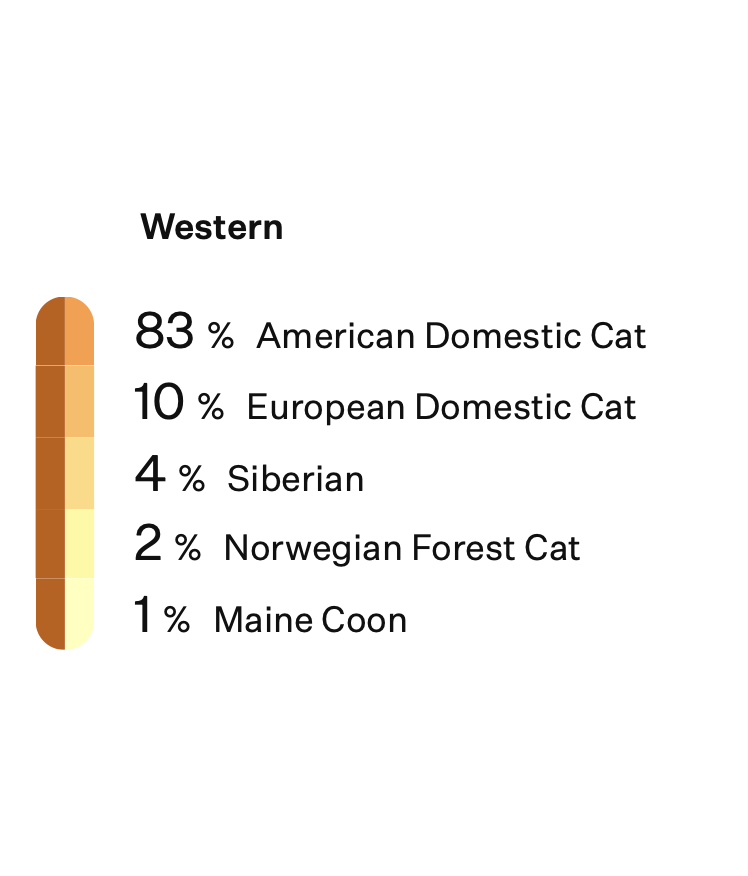
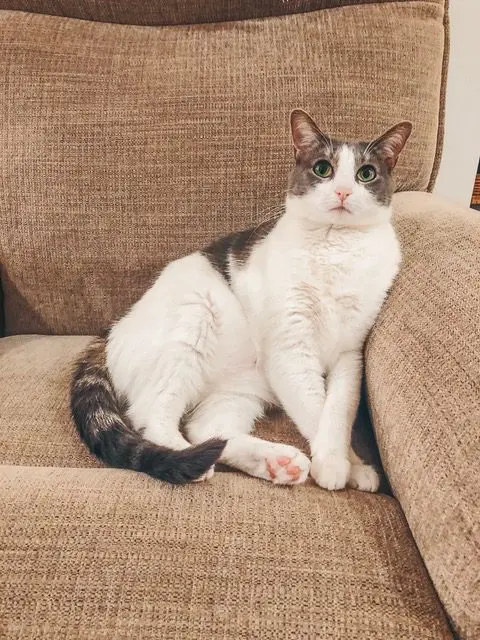
Emory’s results detected 5 distinct cat breeds in his DNA. Again, I was not surprised by the high percentage of American Domestic Cat genes she has. I am curious about her European Domestic Cat roots, though, since that didn’t show up in Louis or Olivia. Really makes you wonder from where exactly the cats’ ancestors traveled for our three cats to wind up in Gainesville area pet rescues!
As far as Emory’s genetic traits go, here are the results I found most interesting:
- Solid Color Coat Variant – 1 Copy – This gene likely causes tabby patterns or banded hair patterns, which Emory has (though her tabby stripes are very subtle).
- Partial and Full White Coat Variant – 1 Copy – One copy of this variant can cause partial white appearance, likely resulting in the large portions of white in Emory’s coat.
- Dilution – 2 Copies – Two copies of this gene result in a lightening of the coat color, which can explain Emory’s coloring and subtle tabby marks.
- Colorpoints – 1 Copy – Cats with one copy of this type of gene may have soft colorpoints (IE: darker ears, tails, and paws); this may be responsible for the almost color-block nature of Emory’s coat, with her grey portions covering her tail, saddle, head, and ears.
Conclusion: Why a Genetic Health Analysis of Your Cat is So Valuable
As I mentioned above, cats are very good at hiding when something is wrong. As pet owners, we want to help our cats be happy and healthy, and Royal Canin’s Genetic Health Analysis Kit for Cats is a great tool to help achieve that goal. I love that the insights these kits provide work so well in conjunction with regular vet visits!
With the information from this kit, cat owners can employ early detection and prevention tactics, rather than only treating issues when they become apparent. Further, we can use the information to adjust our cat’s routines to better suit their personalized needs, whether that is with their diet, exercise, and so on. Since your vet gets a copy of the information, too, your cat will be all set for their annual vet visit, which can be more personalized to suit their specific lifestyle and health requirements.
All cats are unique, and so are their needs. With Royal Canin’s Genetic Health Analysis Kit for Cats, we can celebrate that uniqueness and honor our cats with the best lives possible.
To learn more about Royal Canin’s Genetic Health Analysis Kit,
and to order a kit for your cat, please visit their website here.


