The Spanish Princess, Catherine of Aragon
A beautifully designed series from Starz, The Spanish Princesstells the story of Catherine of Aragon, the formidable first wife of England’s infamous King Henry VIII. Most of the time, we see Catherine of Aragon portrayed as the aging wife being cast aside in favor of Anne Boleyn. In this series, though, we meet Catherine on her arrival in England, and follow her struggles to claim a role as consort on the English throne. While the series has wrapped after two seasons, it is a must-watch for fans of historical fiction — especially Tudor history — and period dramas. It just might inspire you to dig a little deeper into the life of Catherine of Aragon, either in fiction or non-fiction.
Here, I’ll be sharing why the show continues to captivate audiences, along with details of the key characters and their historical counterparts, and suggested reading if you just can’t get enough!
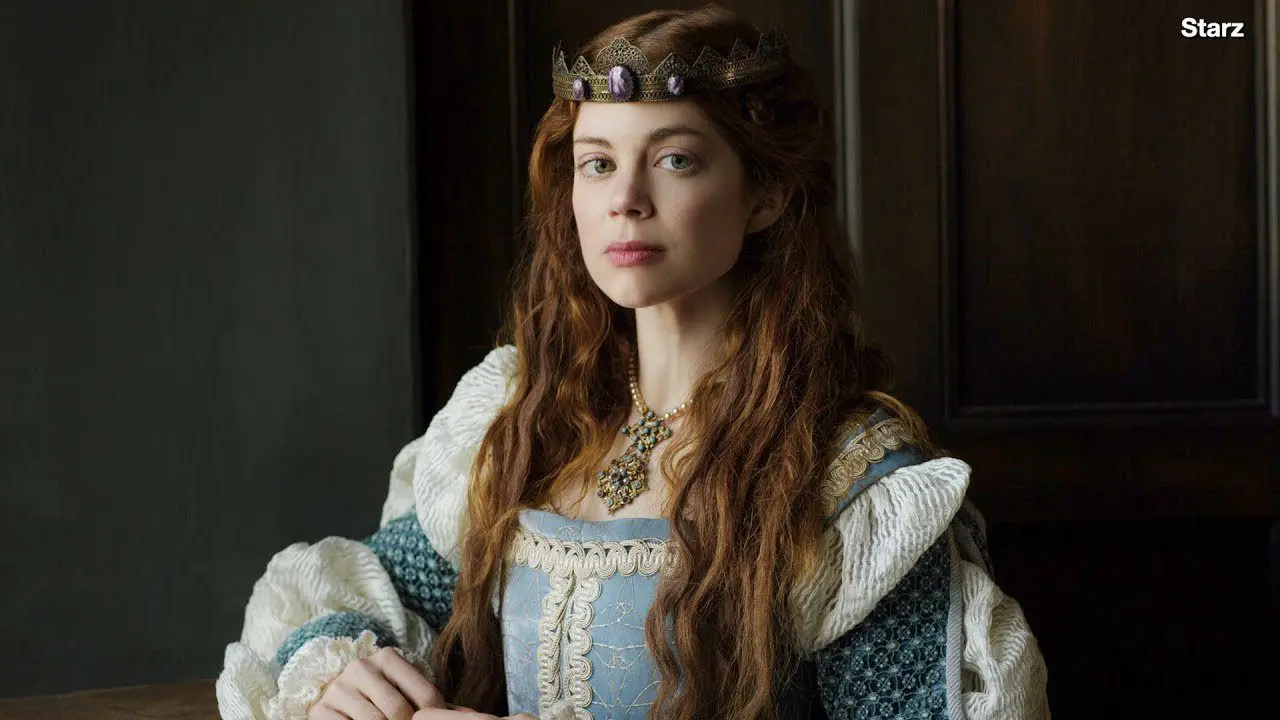
Table of Contents:
Why The Spanish Princess is Worth Watching
Background for The Spanish Princess
Based on The Constant Princess by Philippa Gregory, The Spanish Princess is the third installment of English period dramas about royal women. All are based on books by Philippa Gregory.
This unofficial trilogy began with The White Queen, centered on Elizabeth Woodville during the Wars of the Roses. Next was The White Princess, which told the story of Elizabeth Woodville’s daughter, Elizabeth of York, who effectively ends the Wars of the Roses through her marriage to Henry VII.
With these series in mind, The Spanish Princess picks up some years after the marriage of Elizabeth of York and Henry VII. The show opens with Catherine of Aragon leaving Spain for England in order to marry the heir to the throne, Prince Arthur.
The History & Plot of the Series
(This section contains some spoilers for the show, but mostly in terms of the history of Queen Catherine of Aragon)
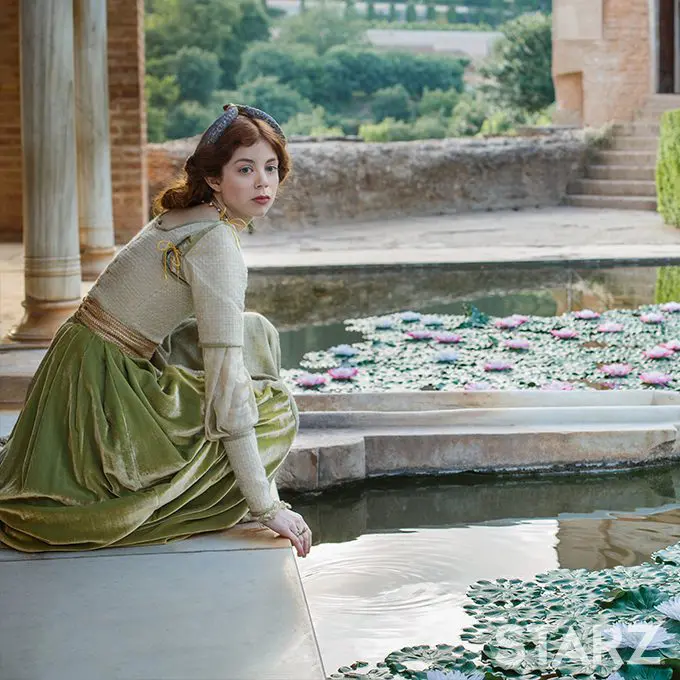
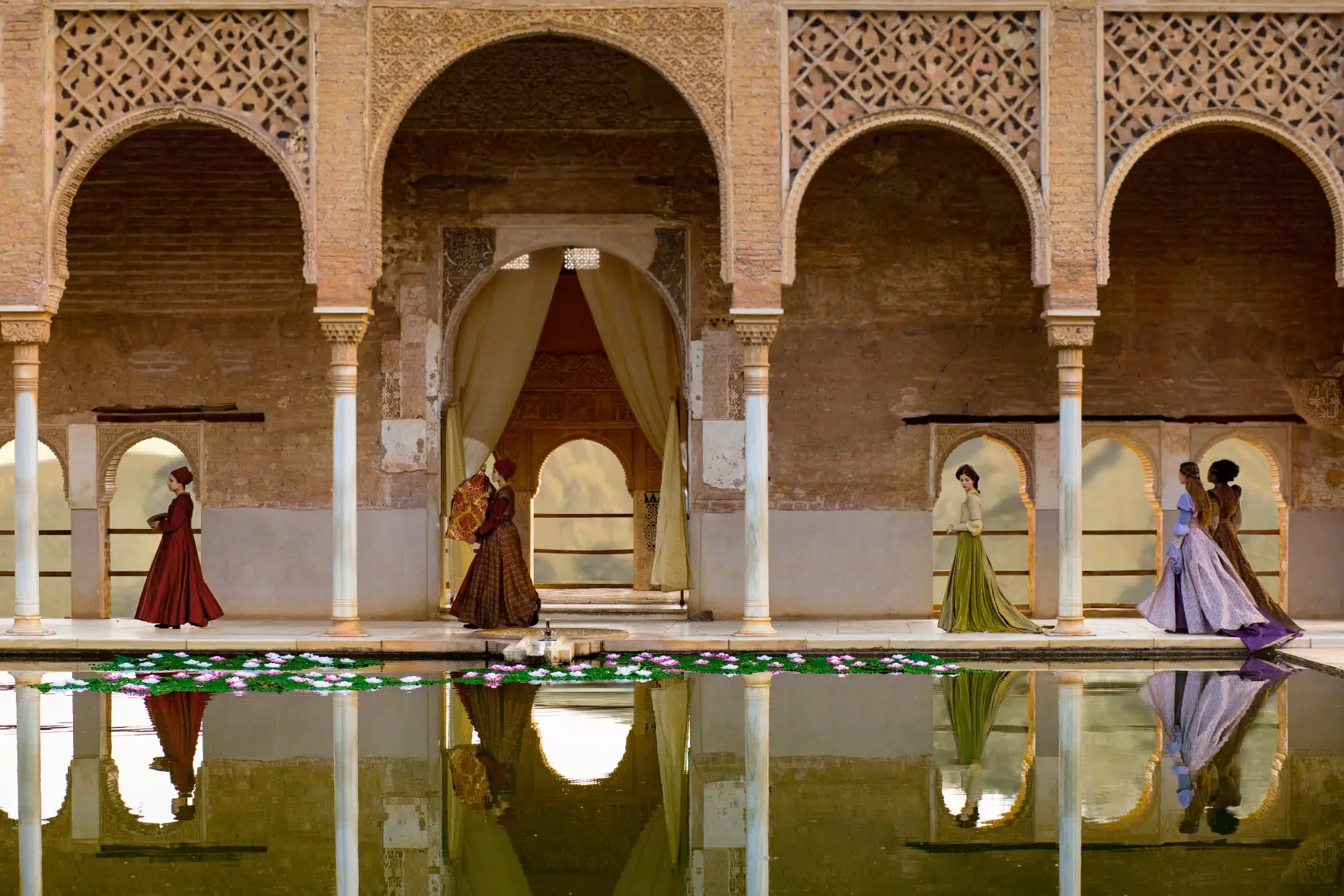
The Spanish Princess takes the audience on Catherine’s tumultuous journey of leaving her homeland — including the renowned Alhambra Palace in Granada — and arriving in a particularly dreary England. Catherine is young, confident in her royal blood, and utterly at a loss when it comes to English customs. The show does a great job giving life to the struggles she would have faced, both emotionally, politically, and even physically, as a young woman and newcomer to the country and the royal household.
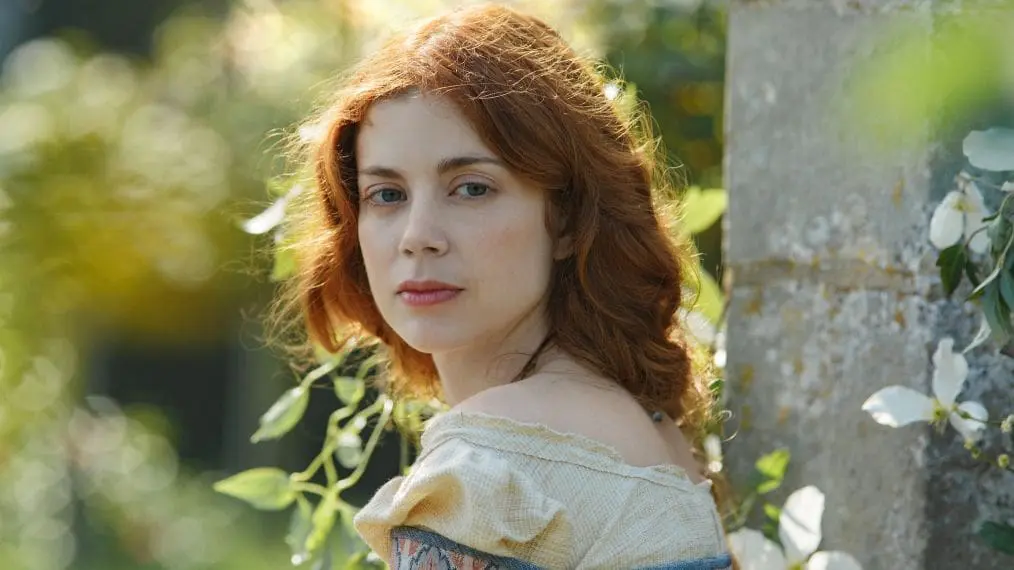
Ultimately, the first season of the show follows Catherine’s marriage to Prince Arthur, the short-lived heir to the English throne who dies just five months into their marriage. The question of whether the young couple consummated the marriage plays out in real time over the series, which is particularly interesting in light of what we know Henry VIII will claim when he seeks to set Catherine aside for Anne Boleyn. We see Catherine struggle to stay afloat in shifting political currents, as she is used as a pawn by both King Henry VII and her own parents, Ferdinand and Isabella of Spain.
Season One of The Spanish Princess
Over eight episodes, season one shows Catherine’s story almost in waves of successes and failures. She is married to the heir, then the heir dies. She is essentially thrust into poverty, as she struggles to maintain a royal household with little to no money, since England won’t pay her widow’s jointure and her parents will not recall her to Spain. Even then, the goal was to marry her to the next English king — it did not really matter which one. Now, with Prince Harry in line for the throne, the plan becomes for Catherine to marry him, though his father thinks there might be other options on the table.
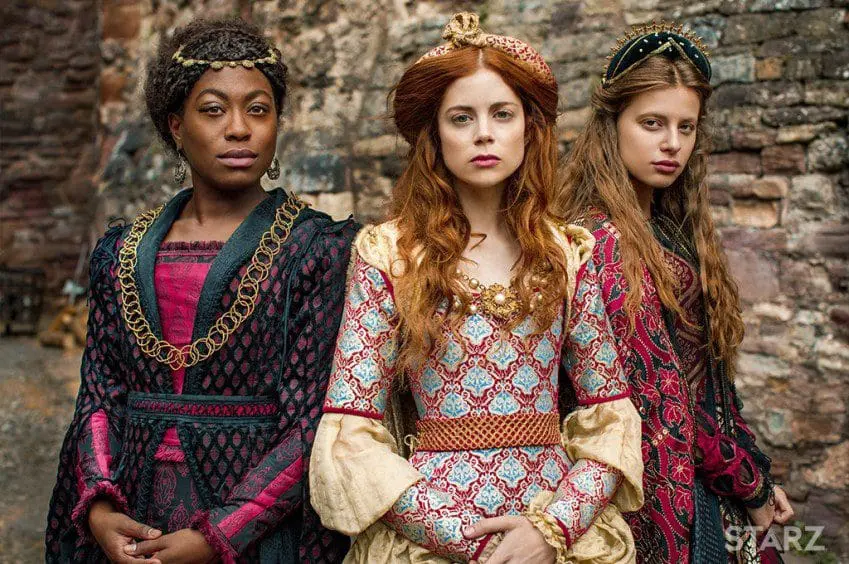
All the while, trouble is brewing in Scotland, despite Princess Margaret Tudor’s marriage to James IV of Scotland. Spanish politics force their way into the English court after the death of Catherine’s mother, the indomitable Isabelle of Castile. In this maelstrom of a political scene, Catherine must play her cards right in order to get to where she wants to be: Queen of England.
Season Two of The Spanish Princess
In season two, we get more of the nuanced relationship between Catherine of Aragon and Henry VIII. This season spans the years of 1511 to 1525, and while it does feel rushed at times, it gives a strong overview of Catherine and Henry’s marriage. We see the promising start of their union and turning of the wheel of fortune as Henry begins to find fault with Catherine and her inability to give birth to a son.
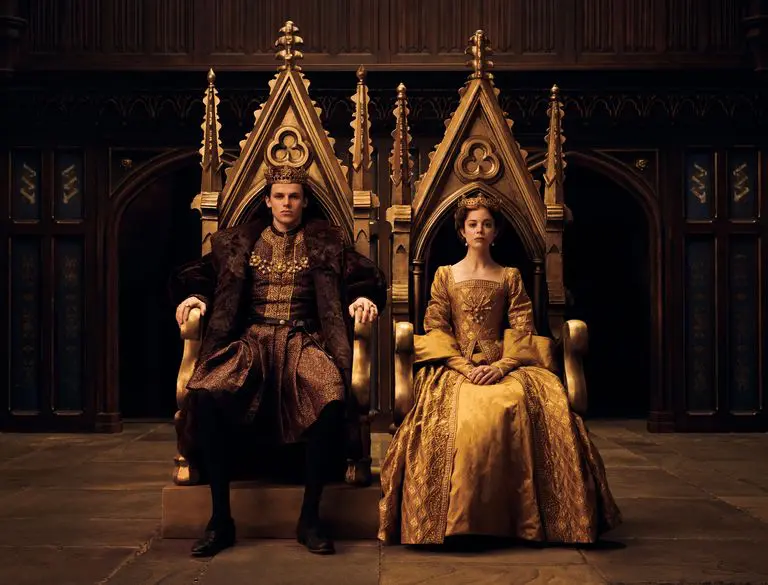
All the while, trouble in Scotland begins to bubble over, despite a Tudor Princess sitting on the throne as queen consort, and the famous Field of Cloth of Gold meeting between King Henry VIII and the French King Francis. As time goes on, we begin to see Henry fall victim to the neuroses often seen in portrayals of him later in life — the distrust, the paranoia, and the narcissistic tendencies that ultimately led to the failures of so many marriages. This puts Catherine in a perilous position, just as Anne Boleyn is introduced to the king.
The Portrayal of Catherine of Aragon
Where the series shines is in Catherine’s strength of character and dedication to what she thinks — knows — she is owed. Catherine of Aragon is no shrinking violet, no simpering woman accepting meager handouts. As the daughter of a warrior queen, Catherine knows her worth and her destiny, and the audience is treated to her valiant efforts to reach those lofty goals.
Without drastically changing the end of Catherine’s story — or, at least, that of her marriage to the king — the series ends on a higher note than the real Catherine likely experienced.
In my opinion, I liked seeing Catherine end things — at least in part — on her own terms. So often, we see Catherine of Aragon shuttled away, separated from her daughter Mary, and left to grow old in a diminished household isolated from the world. While this dismal treatment is more aligned with the reality of the situation, I found the final scenes of the series poignant and moving, as Catherine leaves on her own accord, admitting defeat while also claiming victory of her own peace over Henry.
Key Characters in The Spanish Princess & Their Real Historical Counterparts
Catherine of Aragon – Portrayed by Charlotte Hope
As described above, Catherine of Aragon is portrayed as a youthful, willful, and driven princess of Spain. From when we first see her in the Alhambra scenes to her dramatic portrayals as a warrior regent in season two and powerful matriarch at the Field of Cloth of Gold, this Catherine is anything but mousy.
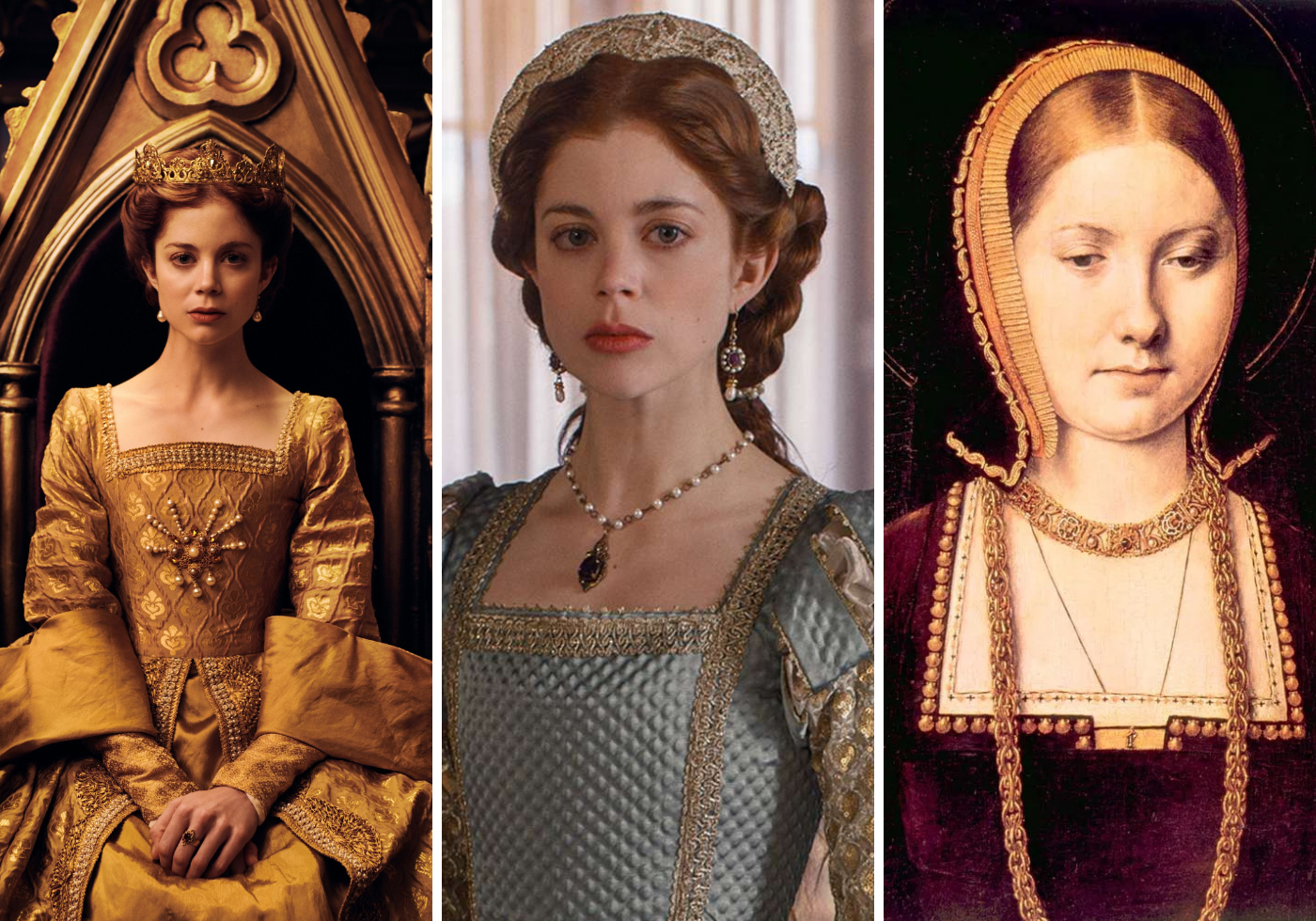
People often ask, “was Catherine of Aragon beautiful?” It is a difficult question to answer, but one that should be considered in light of the often unfair comparisons pushed upon Catherine and Anne Boleyn. Anne Boleyn is historically renowned for her beauty — well, if not her beauty, then her charm and charisma that drew Henry in. In comparison, Catherine seemingly falls victim to the historical record. She was treated unfairly, I would argue, because so much of the record around her divorce was skewed in favor of the king’s desire to marry another. So much of Catherine’s story is popularized — unfairly — because of the rise of Anne Boleyn and the lengths King Henry VIII went to in order to end his first marriage. He broke from the Catholic Church, after all. And that is to say nothing of Catherine’s piety and devotion to the Catholic Church, which could be another essay entirely.
All that is to say, for what it is worth, Catherine of Aragon was considered a great beauty with a notably regal manner. While her appearance is still a bit of a mystery, we generally know she had a fair complexion with red-gold hair. She was on the shorter side, with a round face and engaging expressions. What’s more, her sharp mind and exceptional education would have made her a truly fascinating woman to behold.
King Henry VIII (Harry) – Portrayed by Ruairi O’Connor
There is not a great deal of detailed information on Henry VIII as a child, and once he became heir to the English throne, he was kept even more closely guarded. Once he ascended the throne, though, we know he was athletic and intelligent. He played tennis and was an avid hunter; he spoke multiple languages and was deeply religious. He loved the arts, patronizing artists and writing his own books and music.
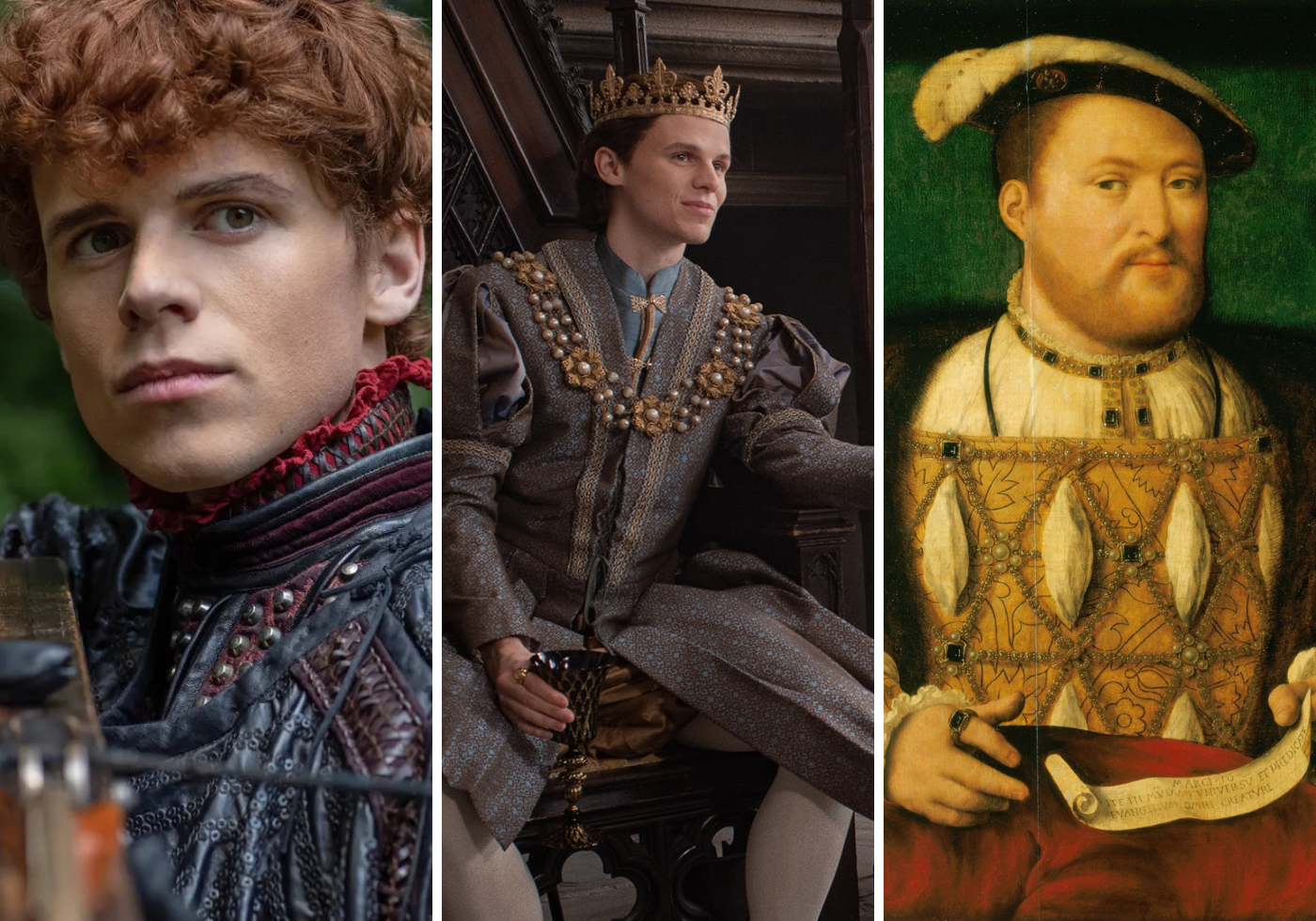
As time went on, though, Henry’s physical health and mental capacity diminished. We don’t see much of this in The Spanish Princess, aside from the start of his increasingly mercurial nature and narcissistic tendencies. His physical ailments developed to a greater extent later in life, though, as he became obese and suffered a leg wound during a jousting accident in 1536 that plagued him for the rest of his life.
Margaret Pole – POrtrayed by Laura Carmichael
Margaret Pole, a Plantagenet by birth, is a fascinating figure in Tudor history. The last surviving daughter of George Plantagenet, Duke of Clarence, Margaret’s very existence was a threat to the Tudor dynasty, her Plantagenet blood calling back to the bloody Wars of the Roses.
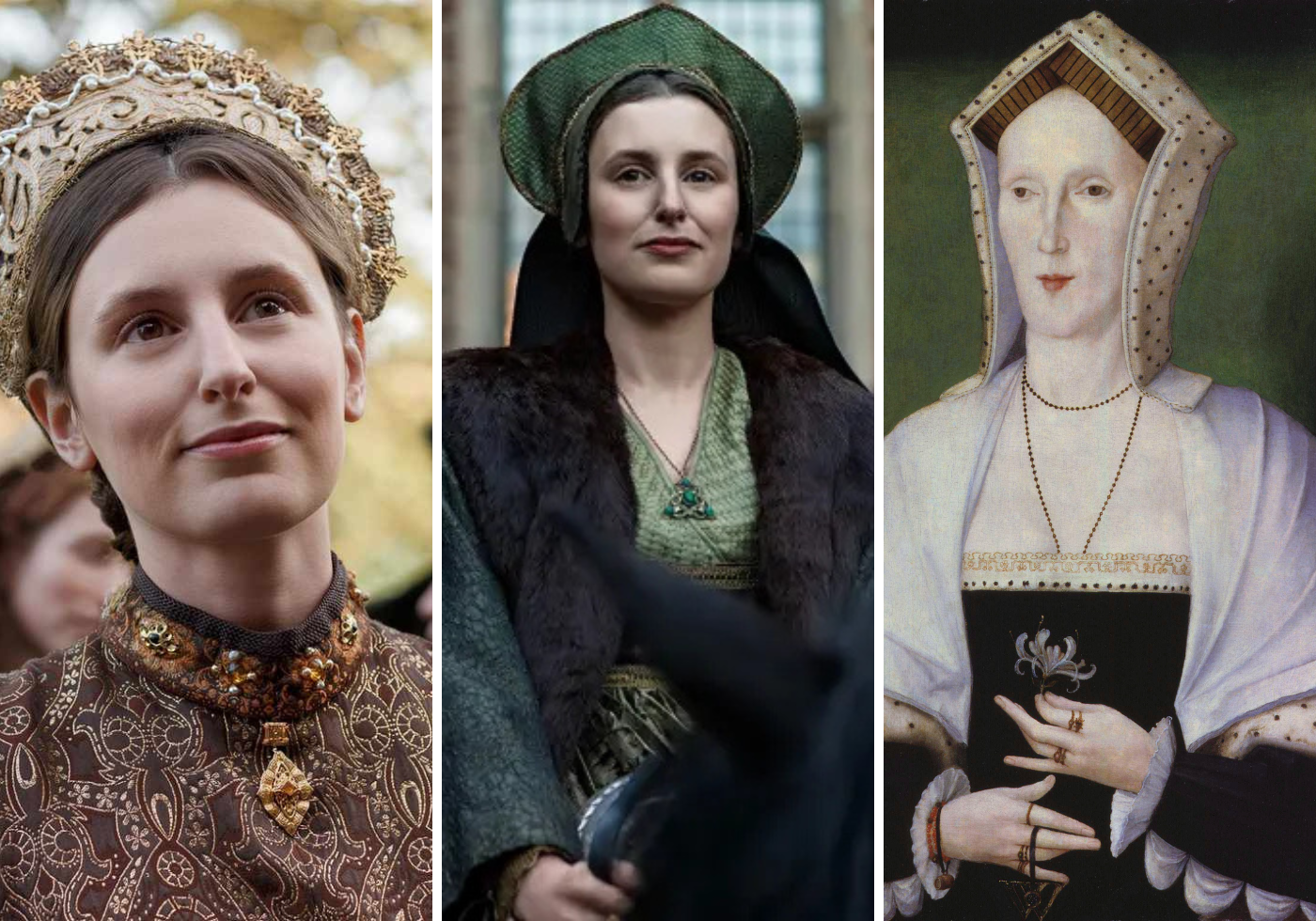
While Margaret would ultimately be executed by Henry VIII in 1541, she spent much of her life in and around the Tudor Court. Upon Catherine of Aragon’s marriage to Prince Arthur, Margaret was appointed as one of the new Princess of Wales’ ladies-in-waiting. Though she was about ten years older than Catherine, they became close friends, as the series illustrates.
Anne Boleyn – Portrayed by Alice Nokes
The screen time of Anne Boleyn in The Spanish Princess is minuscule, but I thought her character was worth mentioning regardless. In all, Anne’s presence is treated almost like an Easter egg for Tudor history lovers. Until the end of the series, she is not particularly flirtatious with Henry, but, instead, is simply one of Catherine’s ladies-in-waiting. And this portrayal is great to see, because this was how history proceeded.
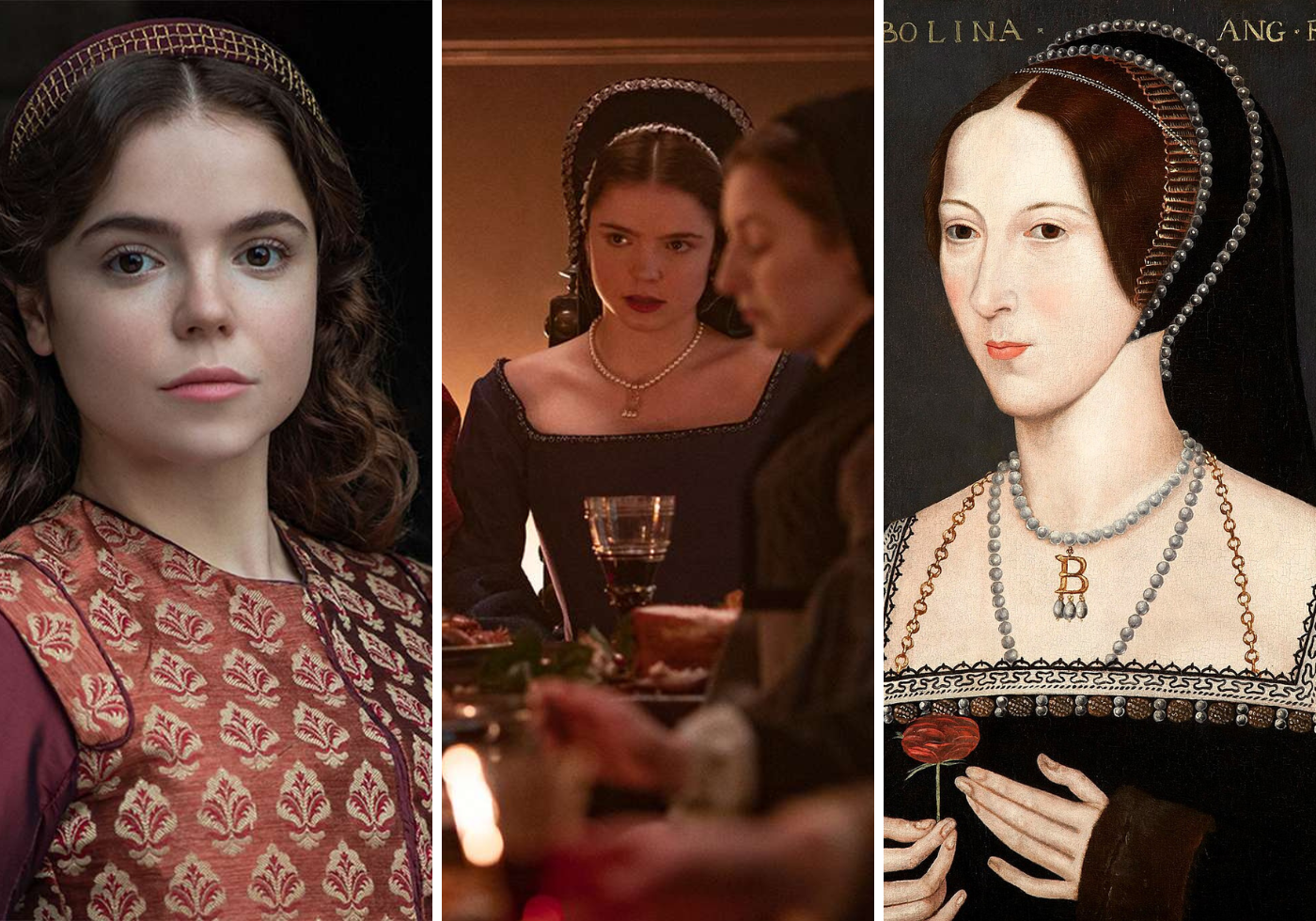
Much can be — and has been — written on Anne Boleyn, and I am not here to pit her against Catherine. They were rivals, of course, but more so because of the constraints of the patriarchal system they operated within. The Spanish Princess largely shows the two women interacting as we might imagine they truly did until Henry VIII came to fancy Anne, with Catherine as her mistress and Anne simply as one of her ladies.
Books to Read If You Loved The Spanish Princess
For those who loved The Spanish Princess and want to learn more about Catherine of Aragon, Tudor history, and the politics of the era, I have curated a reading list I think you’ll enjoy:
Fiction Recommendations:
- Katherine of Aragon, The True Queen by Alison Weir (part of The Six Tudor Queens series)
- The Constant Princess by Philippa Gregory
- Katharine of Aragon: The Wives of Henry VIII by Jean Plaidy
Non-Fiction Recommendations:
- The Waiting Game: The Untold Story of the Women Who Served the Tudor Queens by Nicola Clark
- The Six Wives of Henry VIII by Alison Weir
- The Wives of Henry VIII by Antonia Fraser
- Game of Queens by Sarah Gristwood
P.S. if you are interested in more great historical fiction from this time period, check out my guide to historical fiction about Medieval and Renaissance England here! Be sure to join my newsletter here for more great historical fiction reading recommendations.
Final Thoughts on the Lasting Legacy of Catherine of Aragon
Often disregarded in the long list of Henry VIII’s wives, it is easy to forget that Catherine of Aragon was far and away the longest Queen consort of England, serving at Henry’s side for twenty-four years. She acted as regent, donning armor and then giving Henry the claim of her victory at the Battle of Flodden, which took the life of his rival (and brother-in-law), Scotland’s King James IV. She was pious and devoted, acting the part of a good, respectable woman by Tudor standards, but refused to let herself be sidelined in what she knew was right.
Though The Spanish Princess is certainly dramatized, the history it reveals is poignant, human, and, in many ways, real. If you are interested in learning more about Catherine’s story, I highly recommend checking out the books I listed above, or diving into your own research. Catherine of Aragon was a fascinating woman in a fascinating time — there is far more about her yet to be discovered.
Dear readers, please share your thoughts on The Spanish Princess,
Catherine of Aragon, and any reading recommendations
you have in the comments below!
What to Read Next:
- Everything I Read This Month: June 2026
- Kindle Unlimited Subscription FAQ: Is Kindle Unlimited Worth It?
- Shows to Watch if You Love Outlander
- 11 Great Rom Com Books to Read Next
- Everything I Read This Month: May 2026
*This post was originally published in April 2019. It was most recently updated on March 10, 2025.
*Photo credit to Starz