Decoding Cat Purrs
A common but little-understood phenomenon, there is more to cat purrs than meet the eye. New cat owners often ask “why do cats purr?” like it is a simple question with a simple answer. The reality is that a cat purr can mean one of many things. From a sign of contentment to an indication of fear, cat purrs are a multifunctional behavior that can tell you a lot about how a cat is feeling. Here, I’m sharing some cat purr FAQ, including answers to why cats purr, the benefits of the sound, and the latest information on how cats make this unusual sound:
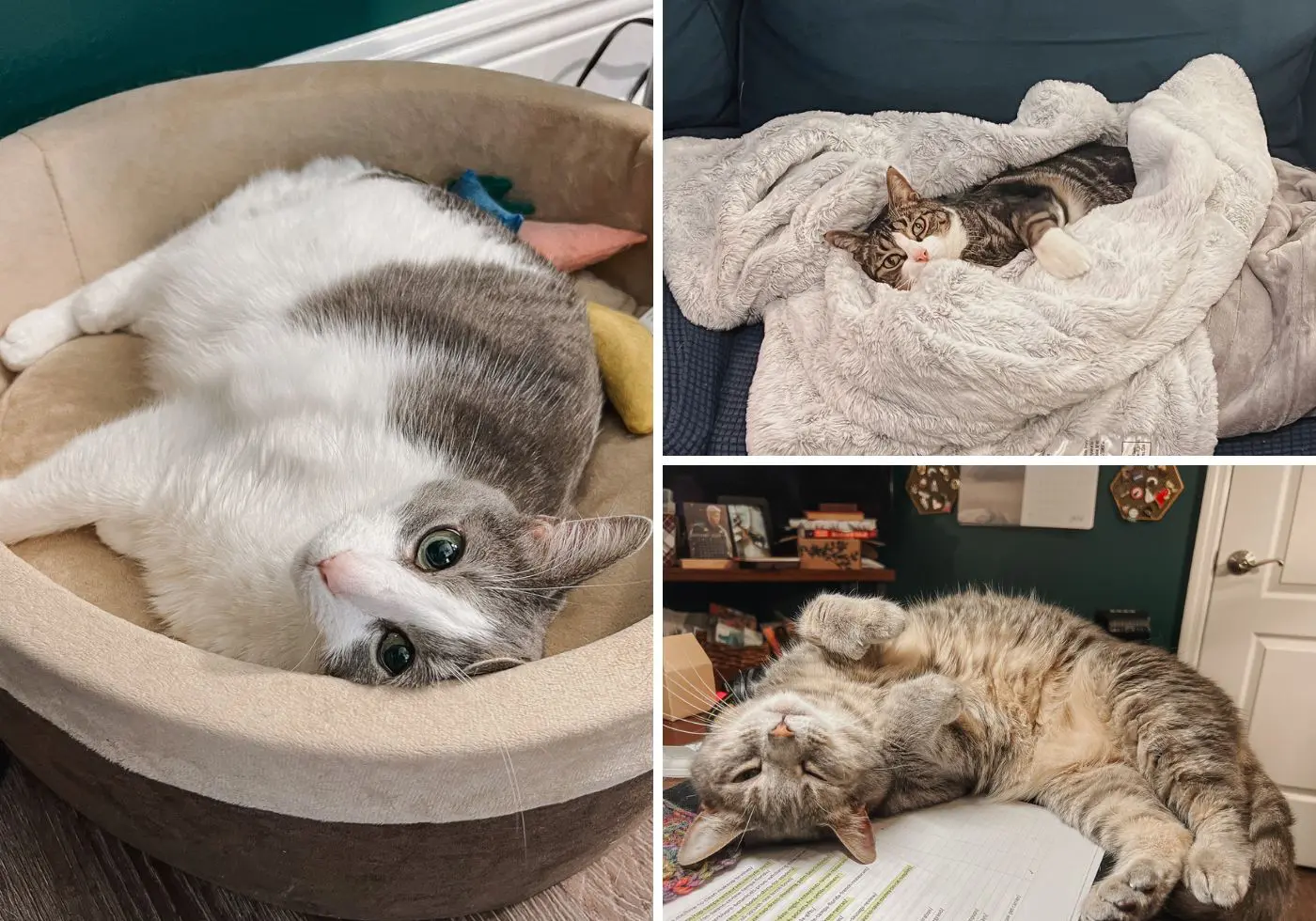
Instances when my cats purr:
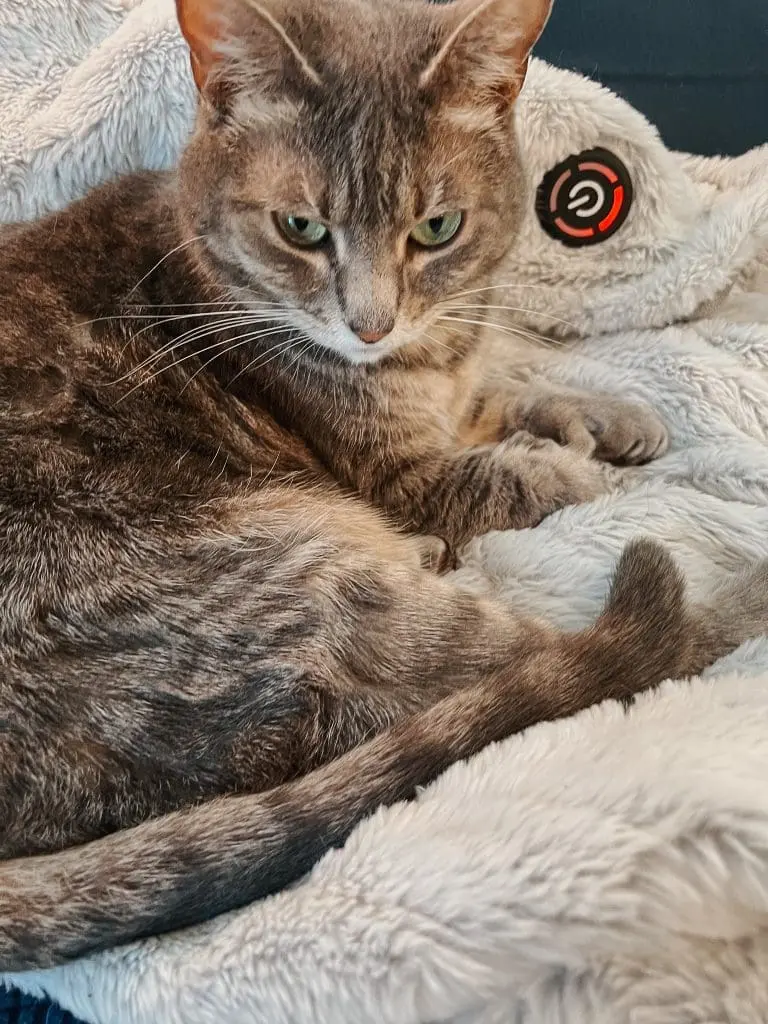
when they’re in their heated bed or lounging on the heated blanket,
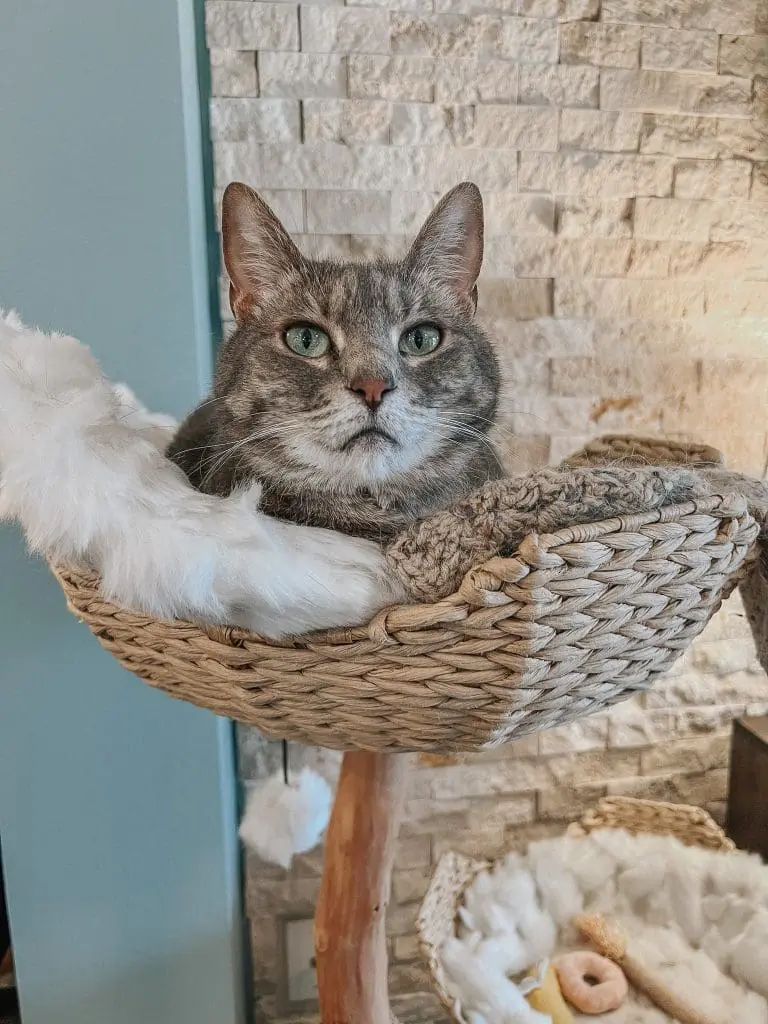
or when they are hanging out with me in my office
Table of Contents:
Cat Purring FAQ
Why Do Cats Purr?
Cats purr for a few reasons, so context is key when figuring out why your cat is purring.
Typically, cats will purr when they are content and happy. This happy purring can include when they are sleepy or lounging, when they are cuddling with their favorite people, or even when they’re eating. Relatedly, purring can also be a sign that a cat wants attention — that they want to cuddle with their favorite person, or that they want food, for example. Other times, cats will sometimes purr out of greeting to both people and other cats. This type of cat purr is sometimes accompanied by trills or other cat chirps.
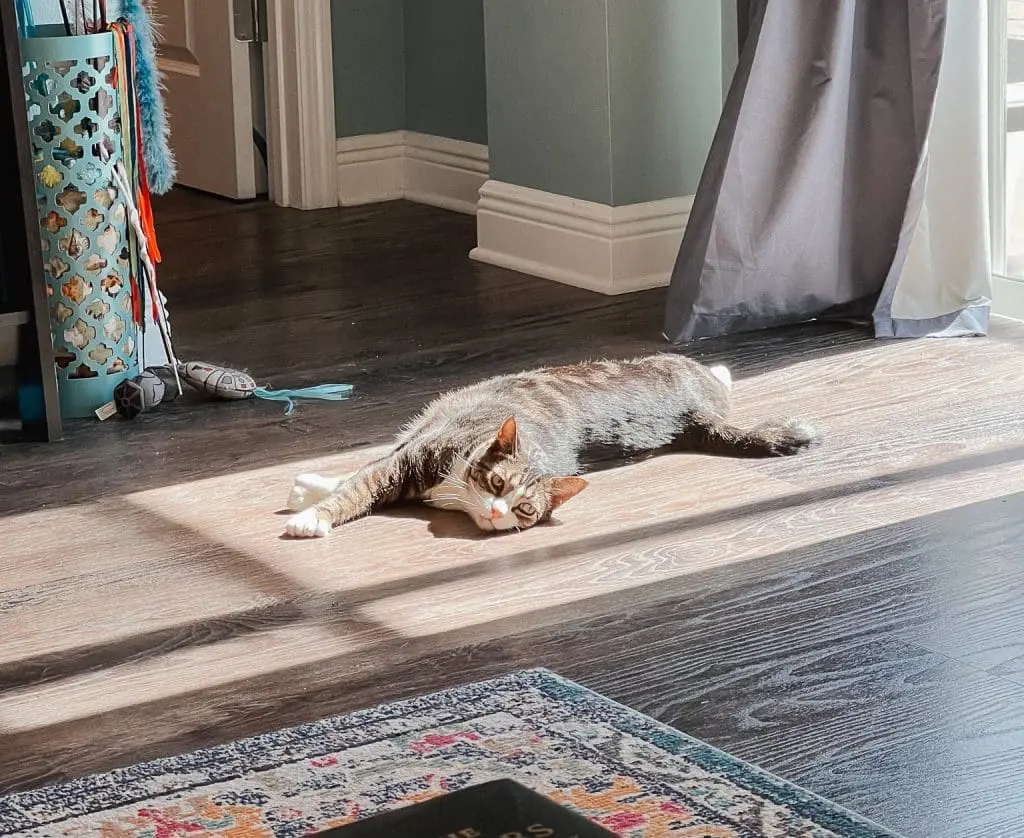
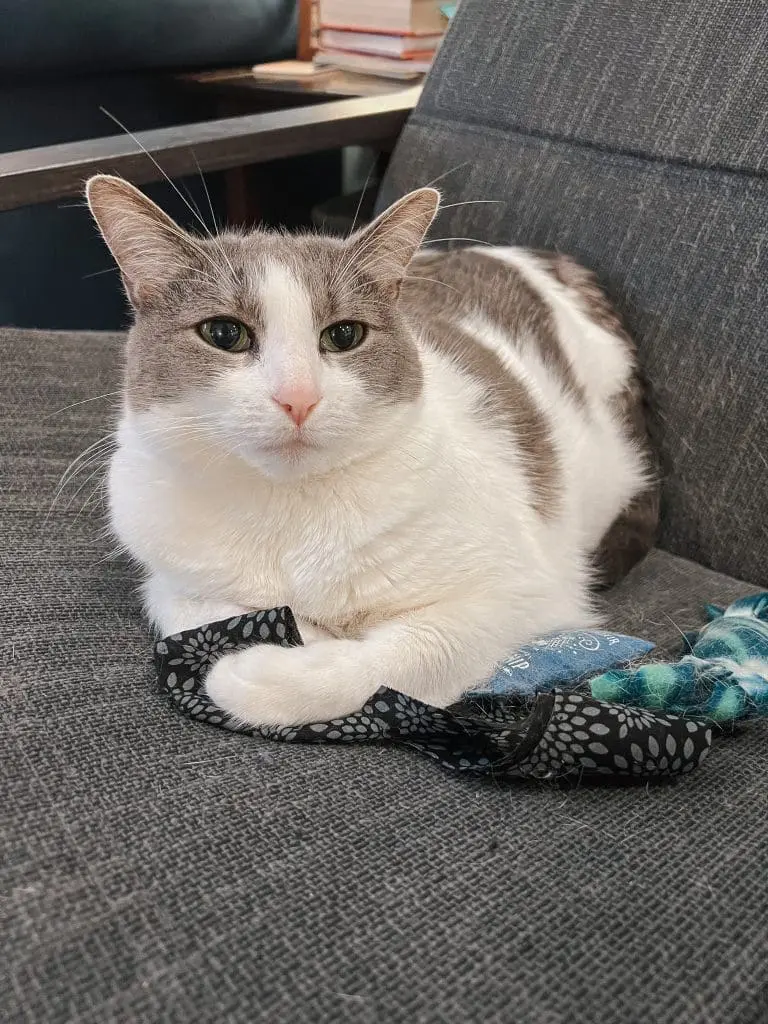
Sometimes, cats may purr as a way for cats to self sooth. It is thought that cat purr frequency can help heal tissue and injuries, so purring may accompany an injury or even labor for pregnant cats. Similarly, cats may purr when scared in order to calm themselves in a strange or stressful environment, or even if they are feeling territorial.
How to Tell Why Your Cat Is Purring
As I mentioned above, context matters for determining the meaning of cat purrs. In stable, non-stressful environments, purring typically means that the cat is happy and content. Oftentimes, cat purrs are accompanied by kneading and other comfort behaviors.
Some cats purr all the time; others don’t. If your cat purrs a lot but is suddenly purring while limping, for example, it may be a sign that something is wrong. Similarly, if your cat does not purr and suddenly starts up, you may want to take them to the vet. Keep an eye out for the cats’ body language and determine whether there are any stressors in the environment or if anything is wrong health-wise.
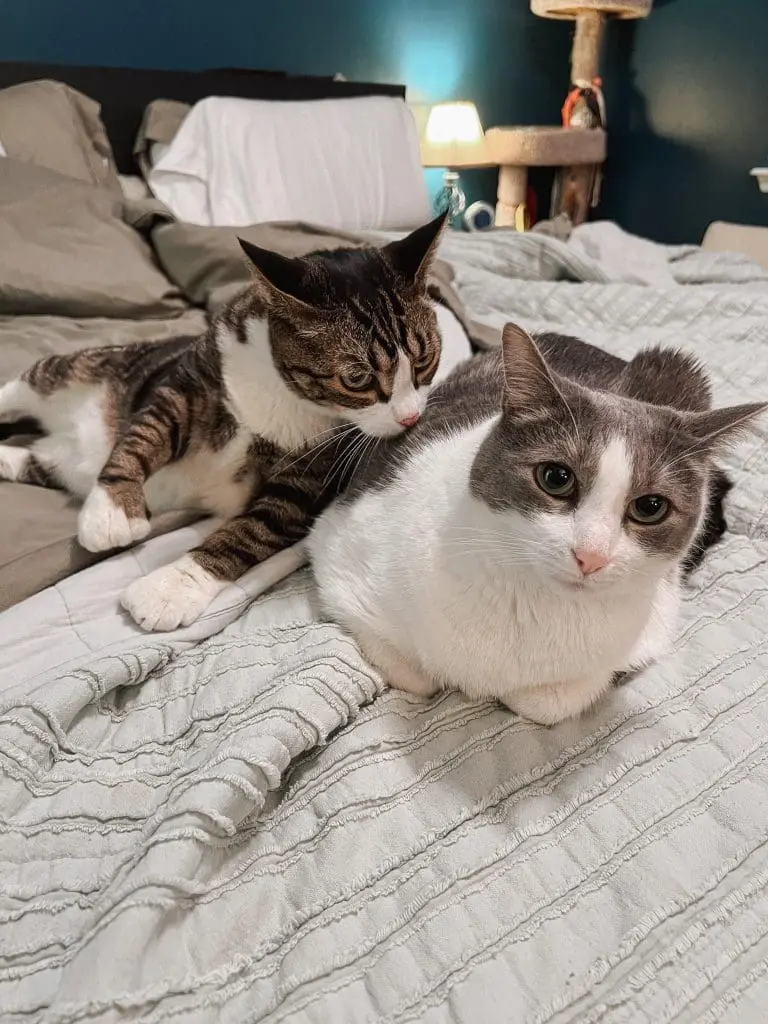
How Do Cats Purr?
The science behind how a cat purrs is surprisingly mysterious. Until recently, very little was understood about this behavior, particularly because cats won’t purr on command. However, scientists recently discovered that feline vocal cords have special “pads” in them that may slow down the vocal cords’ vibrations, thus making them denser and lower-frequency than is often seen in smaller animals. There are critics of this explanation, but it is the most recent news on efforts to understand how cats make purring noises.
What Are the Benefits of Cat Purrs?
Interestingly, there are some cat purr benefits, both to cats themselves and potentially to humans. As mentioned above, cats tend to purr when they are sick or injured. They often purr as a way to reduce their own stress, as well as those around them. Furthermore, cat purr vibrations can help reduce inflammation in themselves while they are healing. This works similarly in humans. Cats purr in a frequency range that can help lower stress and blood pressure in humans; they may even help heal infections or broken bones!

More Cat FAQ from Cats & Coffee
- Why Do Cats Like Catnip?: FAQ About Cats and Catnip
- Polydactyl Cats FAQ: Fun Facts About Cats with Thumbs
- Simple Tips for Cat Hydration: How Much Water Should a Cat Drink?
- Fun Plants for Cats: Grow Your Own Cat Garden
- The Cat Mom Life Cat Care Guide
Further Reading on Cat Purrs & Sources
- Why Do Cats Purr? 5 Meanings Behind a Purring Cat – PetMD
- Why Do Cats Purr? Here’s What Experts Say – Chewy
- How Do Cats Purr? Scientists May Now Have an Answer – Smithsonian Magazine
- The Therapeutic Benefits of a Cat’s Purr – Virginia Beach Veterinary Hospital
Whether you’re adopting your first cat or adding to your clowder,
my Cat Care Guide covers everything you need to know about giving your cat their best life!
Check out my full Cat Care Guide here!
*This post was originally published as part of my Cat Mom Life series in 2024. It was most recently updated on July 9, 2024.


