Understanding Your Cuddly Cat
Cats are often considered aloof and standoffish, but that couldn’t be further from the truth. While cats do tend more towards independence, that doesn’t mean they don’t form deep attachments with their owners. Cats show their affection and love in a variety of ways, and their actions can mean different things. So why do cats cuddle, exactly? In this post, I’ll be exploring the different reasons why cats cuddle, why your cat might seek such snuggles out (or avoid them), and how to encourage the behavior in your cats and kittens.
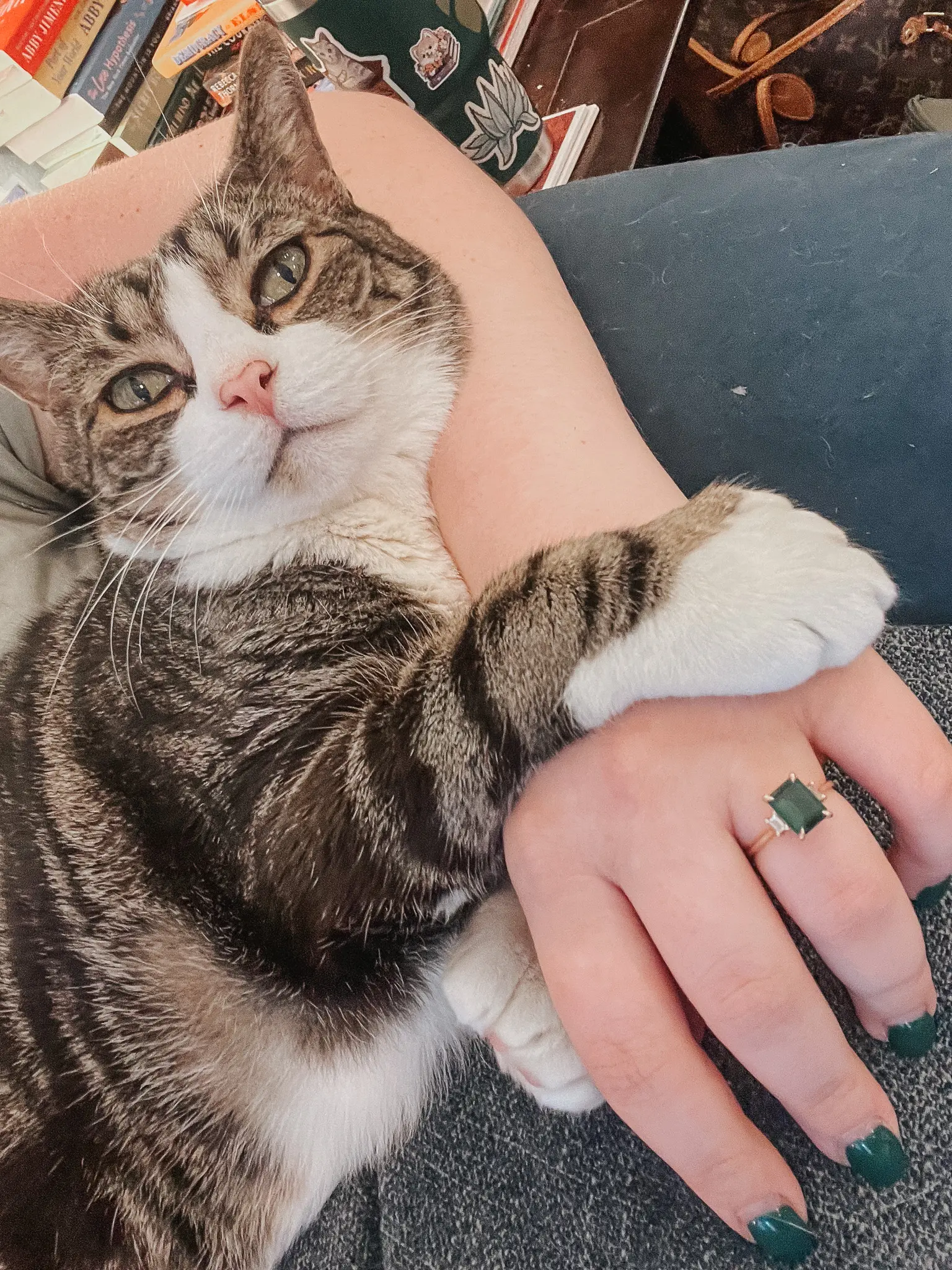
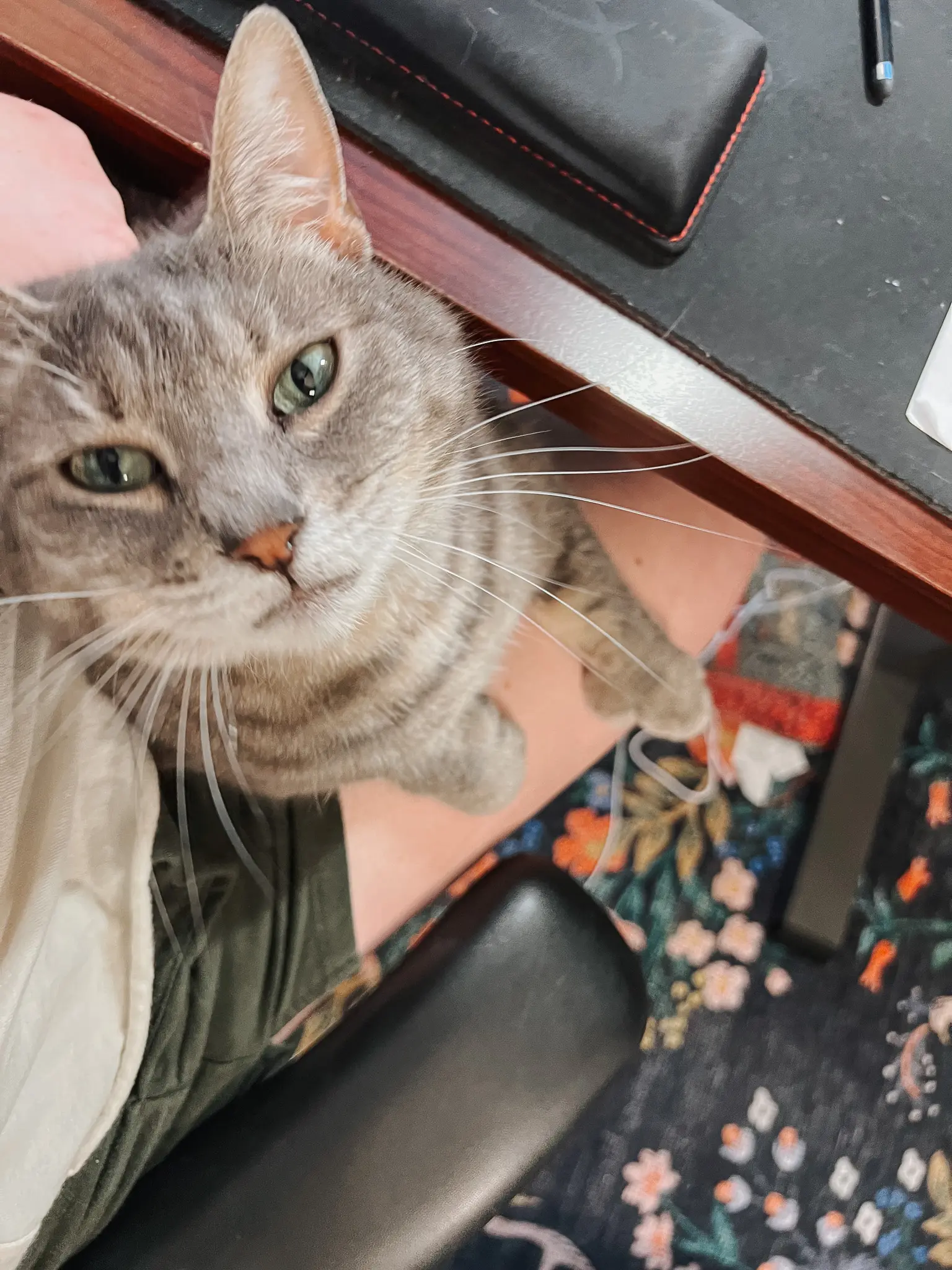
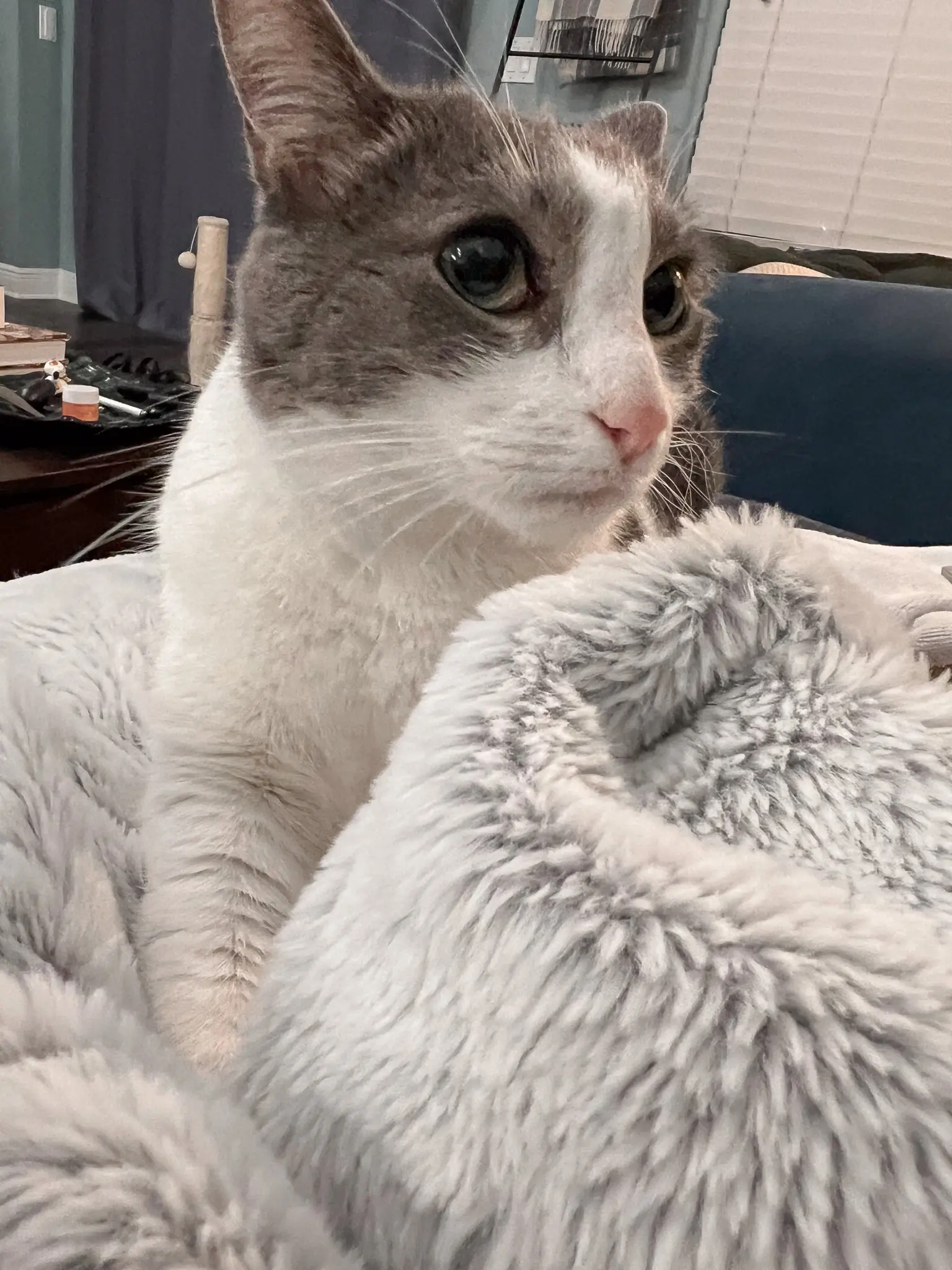
Table of Contents:
Why Do Cats Cuddle?
Common Reasons Cats Like Snuggles
There are a number of reasons why a cat might like to snuggle up with their person. Here are 7 common reasons why cats may like to snuggle:
- They are cold and seeking warmth,
- They want to show affection or trust,
- They are looking for physical comfort,
- They want attention from you,
- They want to feel safe (especially when napping),
- They want to bond with you, or
- They are looking for pets and scratches.
First and foremost, cats tend cuddle when they’re cold and seeking warmth. Makes sense, right? But this dovetails into a second major reason why cats love to cuddle: cats like to cuddle to show affection and trust. Even if they’re cold, they probably won’t snuggle with someone they’re not comfortable with.
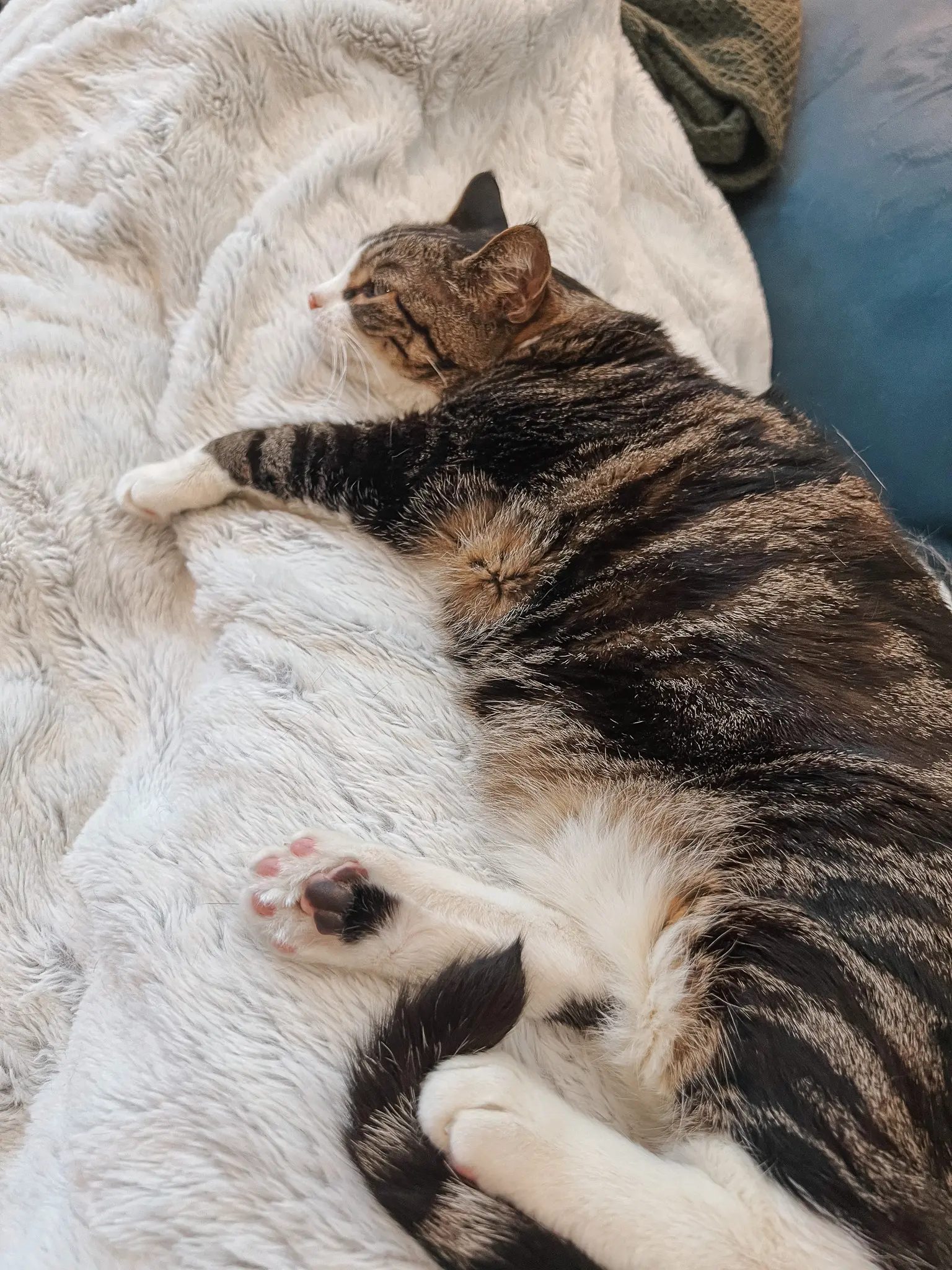
Cats will cuddle with a human they are bonded to when they are feeling — or seeking out — comfort and safety. If a cat is comfortable with you, they’ll put their guard down and sleep beside you (or on you, as Louis is in the image below).
Cuddling can also give the cat a chance to mark their humans with their scent, showing a sort of territorial bonding, especially if they rub up on you with their foreheads. In multi-cat homes, this kind of behavior can sometimes cause some tension. If you’re dealing with territorial struggles between cats, I’ve found these pheromones help!
One thing to note: Keep an eye on your cats’ behavior if they suddenly become cuddly for no obvious reason, because this could be a sign of anxiety or that they’re not feeling well. If you notice changes in their behavior, you may want to check with your vet to make sure there isn’t an underlying health issue.
Cuddling as a Sign of Connection
Cats are companion animals. Their companionship might look different than dogs, but that doesn’t mean they aren’t just as loving and devoted pets. Cats tend to prefer gentle pets, chin scratches, and simply sitting on or near you; lean into this behavior to encourage bonding with your cat or kitten.
If your cat cuddles with you, this tends to be a sign that your cat trusts you deeply and feels secure — both physically and emotionally — with you.
Think about the last time you were away for more than a day or two; chances are, your cat was a bit more clingy than usual because they missed you. They may cuddle more at times like this, or follow you around and chirp at you more. Either way, it’s a sign that they are bonded to you and want to be around you.
Not All Cats Like to Cuddle
Are you wondering: “What if my cat doesn’t cuddle?” Well, that’s normal, too!
Not all cats are lap cats. A cat’s age, personality, breed, and background can all play a role in how your cat bonds with you.
Affection from cats can take on many forms; cuddling is just one option. Other ways cats show their affection is by following you around the house, purring when you pet them, slow blinking at you, “talking” to you (chirping, meowing, etc.), or just hanging out near you.

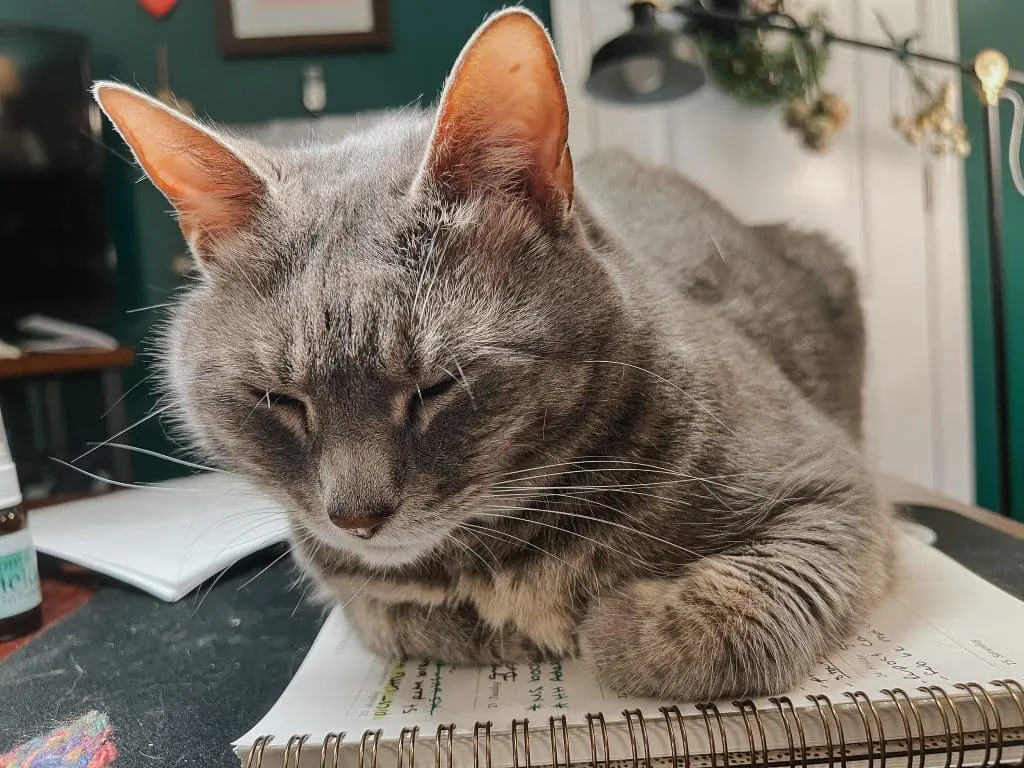
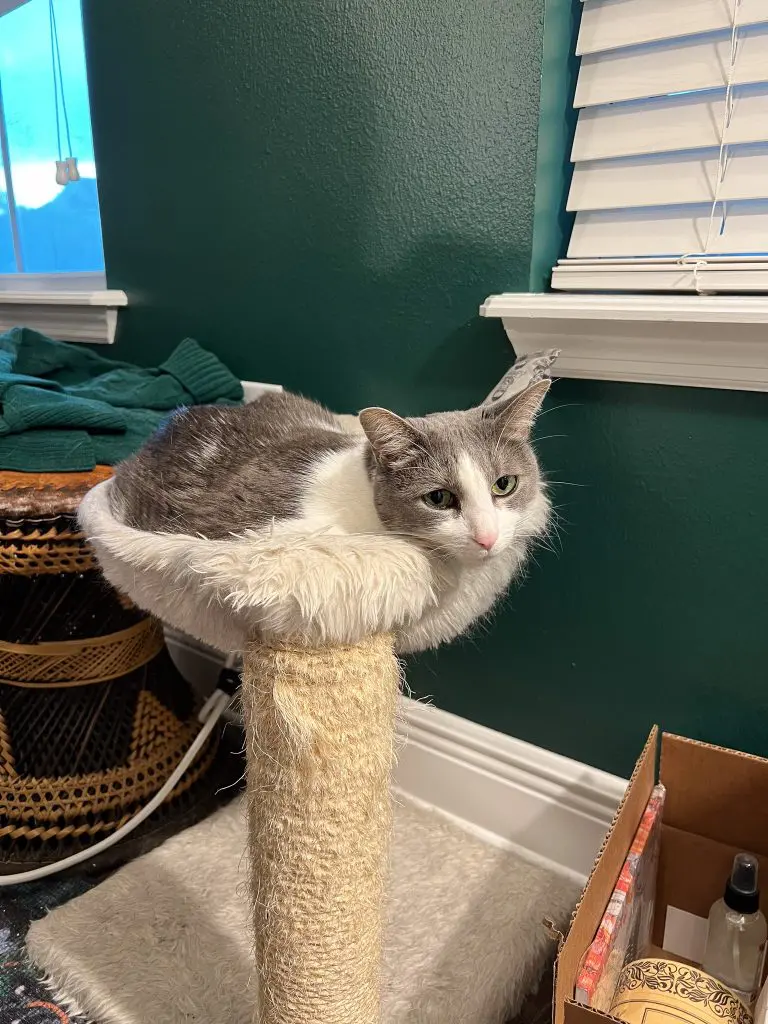
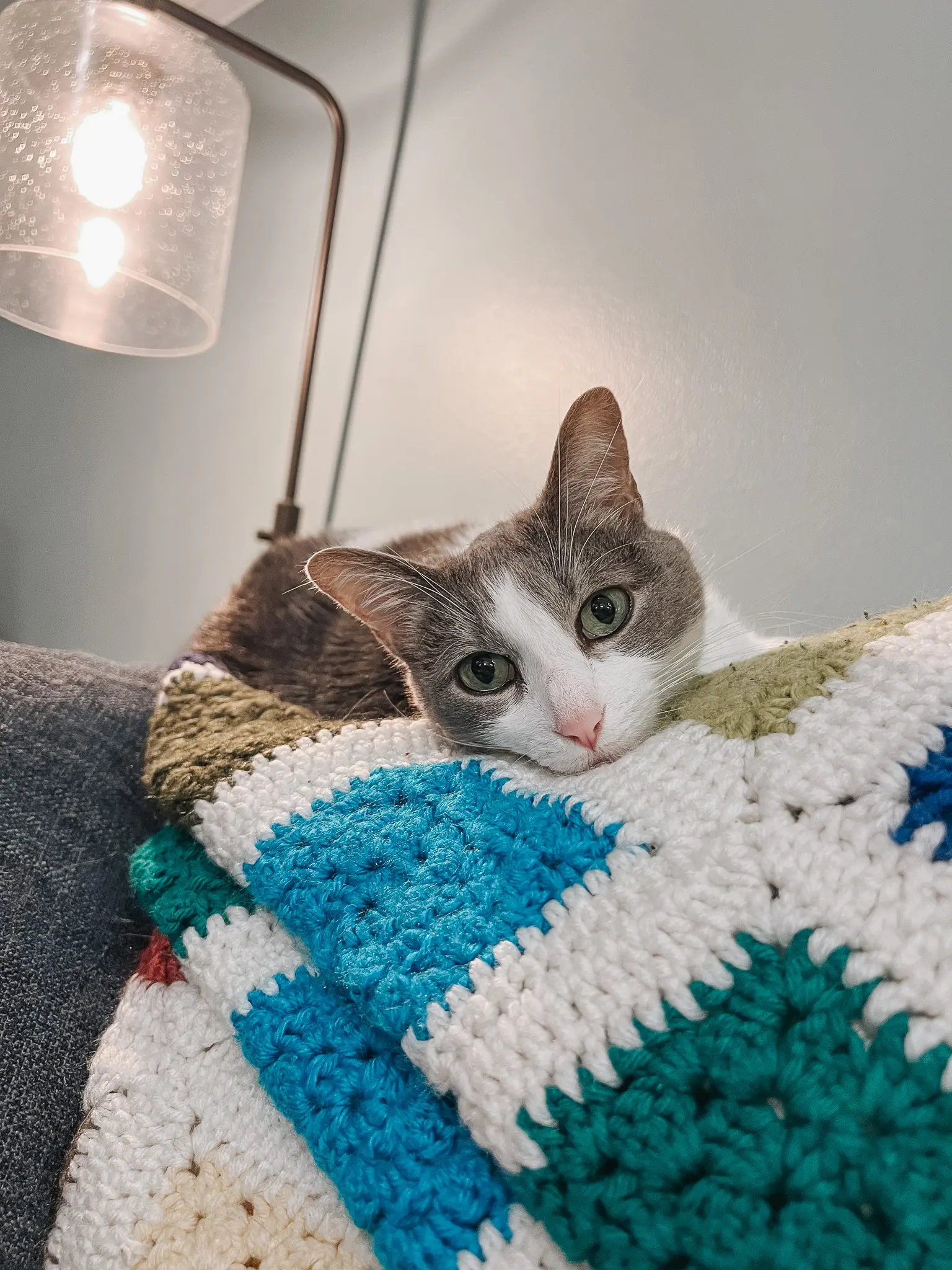
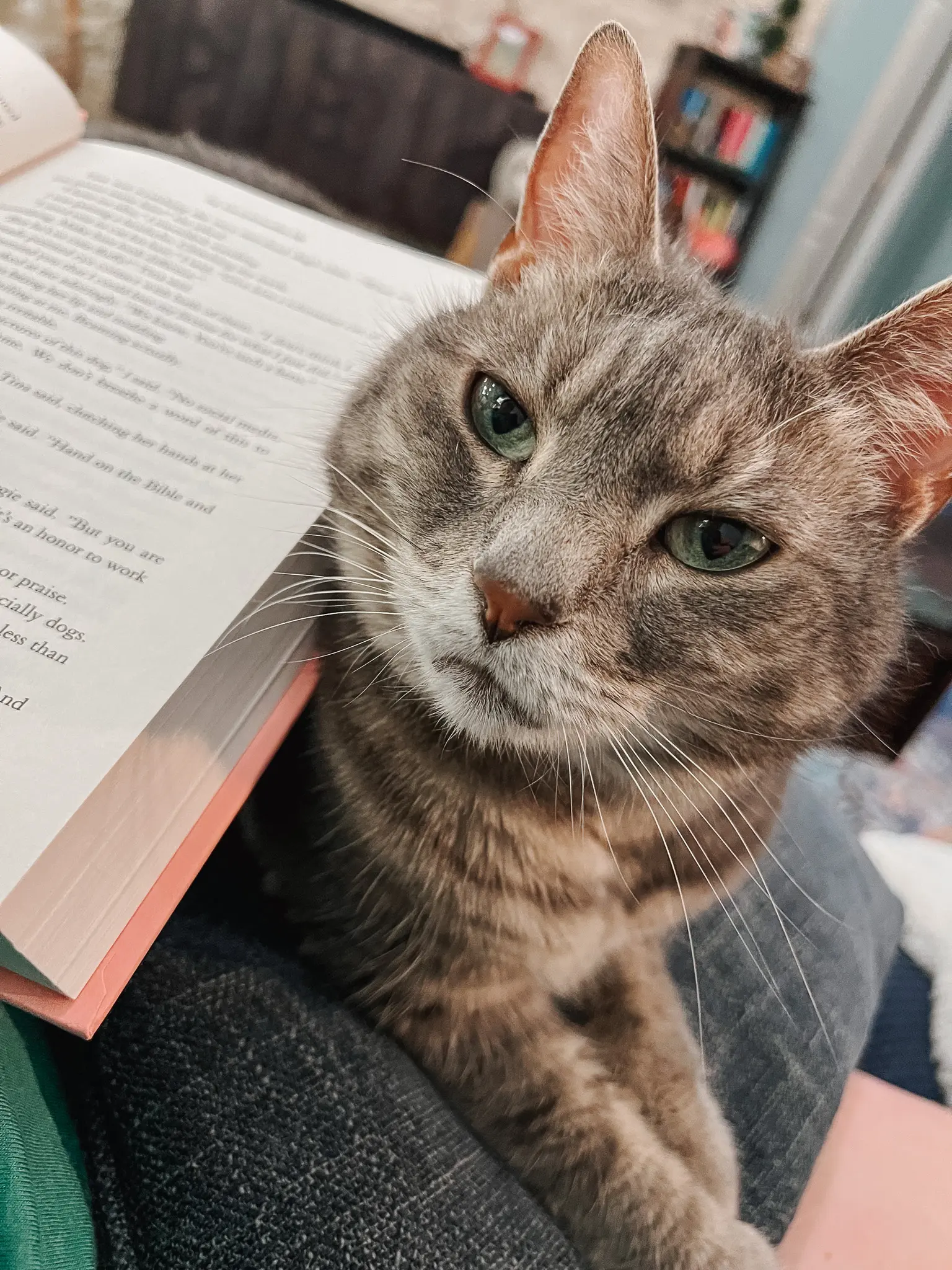
With my three cats, all are cuddly and affectionate in their own ways, but only Louis (above left) is a true “lap cat.” Every night, Louis is on my lap while I read or watch tv; he’s always touching.
Olivia (above middle) is not a lap cat, but she cuddles in her own way, either by hanging out on the other side of the couch with me, climbing all over me while I read or work (see below), or following me around the house. If I’m cooking in the kitchen, for example, she’s between my feet.
And our third cat, Emory (above right), is very much bonded to her hudad and will cuddle with him, but not with me; however, she does head butt me, purr when I pet her, and hang out with me in my office most days. That being said, when we are out of town visiting family and bring the cats with us, or any other situation where Emory’s usual routine is disrupted, she will become quite clingy with me. I might not be her hudad, but when her routine is disrupted, she takes comfort with me.
Cats all have different habits and behaviors; let them take the lead.
How to Encourage Your Cat to Cuddle
While some cats are just not cuddly cats, you may be able to encourage the behavior and create a sort of habit out of it.
If your cat chooses to cuddle with you, make sure it is a rewarding experience. Give them pets and chin rubs, but don’t pressure them to stay longer than they want.
You can also put catnip toys or other comfort items near you to encourage them to get comfortable with physical proximity. This is an especially useful tip for rescue cats who may have come from tough situations. Building trust is a process, and starting by making your space calm, comfortable, and welcoming is a great way to encourage your cat to cuddle!
Need more cute cat content on your feed?
Follow my cats Louis, Olivia, and Emory for daily doses of
giant paws, adorable cat naps, the latest in cat mom life,
and general feline charm!
Every Cat Shows Affection in Their Own Way
I mentioned it before, but it bears repeating: cuddling is just one of the many ways cats can express affection towards their people. Some cats love to cuddle, and some just don’t — that doesn’t mean you’re doing anything wrong.
Making your home a cat haven with cat friendly features can help keep your furbaby calm and comfortable, which can nurture your bond more easily.
Lastly, whether you’re new to cat ownership or a seasoned cat mom, you can learn more about keeping your cat happy and comfortable in my complete cat care guide here!
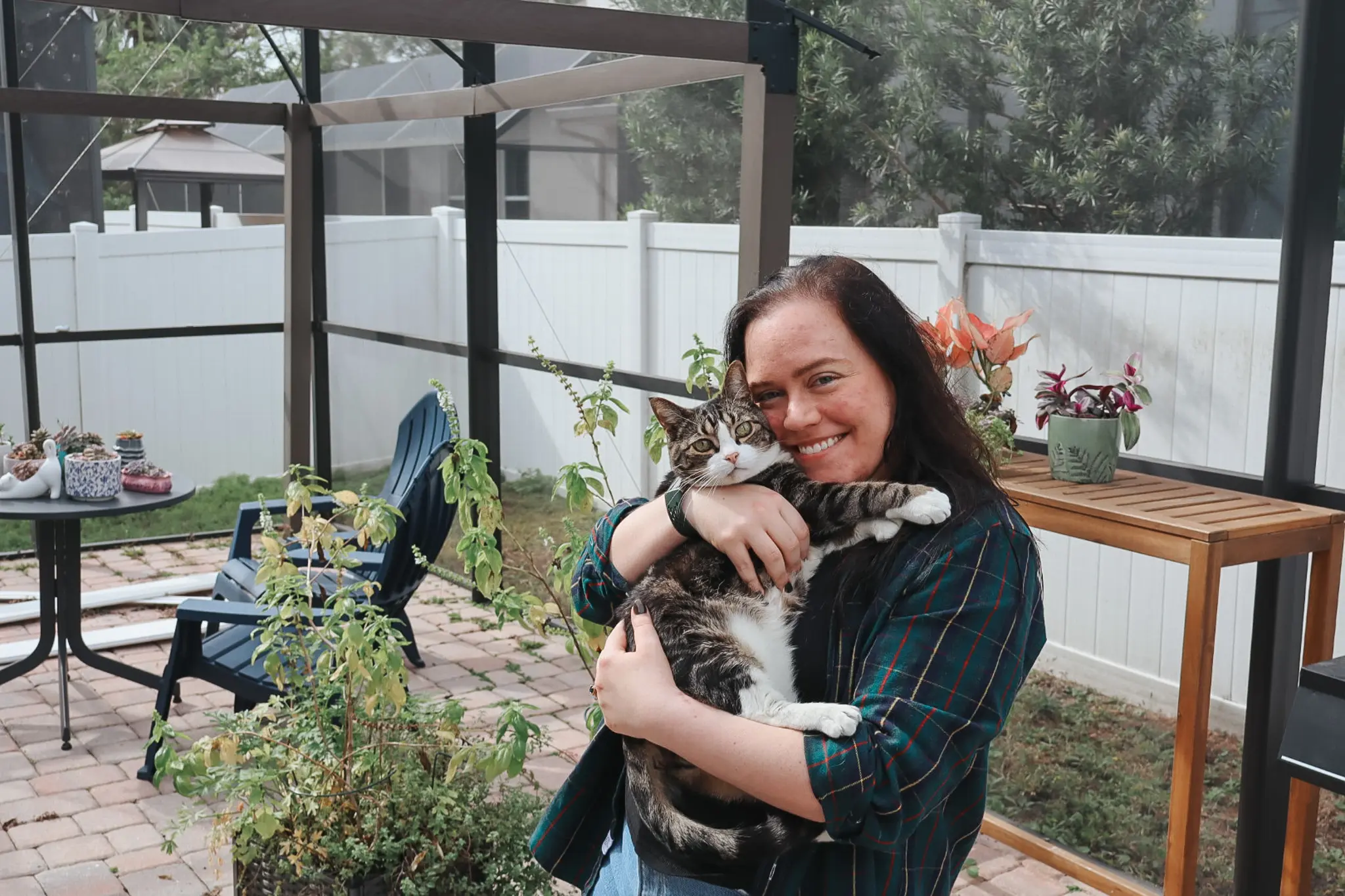
Do you have a cuddly cat?
How else do they like to show affection?
Share your funniest or sweetest cat story in the comments below!
Sources & Further Reading:
- Why Do Cats Like to Cuddle? 5 Vet-Verified Reasons
- The Ultimate Guide to Cat Cuddles
- Why Is My Cat So Cuddly and Affectionate?
- Cat Cuddles: Vet-Verified Facts About Kitty Snuggling
The Cat Products That Actually Earn Their Spot
Read the Latest in Cat Mom Life:
- Hurricane Pet Preparedness: A Cat Owner’s Full Guide
- The Cat Mom Life Cat Care Guide: Tips for New Cat Owners
- How to Cut Your Cat’s Nails Without Splitting the Nail
- The Litter-Robot 4: Why I Love This Automatic Litter Box
- The Best Cat Carrier: The Sherpa Original Deluxe Pet Carrier
*This post was originally published as part of my Cat Mom Life series in May 2025. It was most recently updated on April 9, 2026.
Please note: This content is intended for informational purposes only and reflects personal experience as a cat owner. It should not be considered a substitute for professional veterinary advice, diagnosis, or treatment. Please consult your veterinarian with any questions or concerns about your pet’s health.


